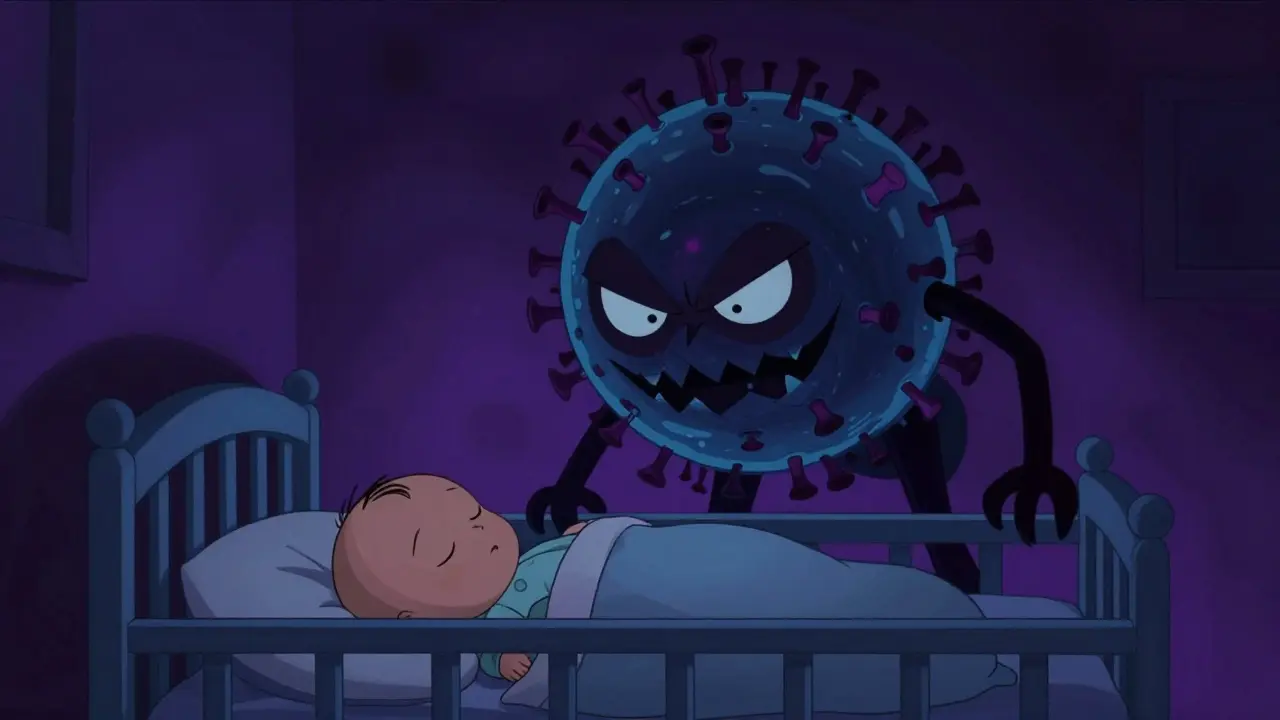
Respiratory Syncytial Virus (RSV) is not just a common cold. It is a serious respiratory pathogen that poses significant health threats to the youngest and oldest members of our society. While many adults brush off RSV as a nuisance with mild sniffles, it remains the leading cause of hospitalization for infants under one year old in the United States. For older adults, particularly those over 65, it can trigger severe complications and even death. Understanding the specific risks, recognizing early warning signs, and knowing about recent prevention breakthroughs are critical steps in protecting your family.
The virus spreads easily through respiratory droplets from coughs and sneezes, direct contact like kissing an infected child, or by touching contaminated surfaces. The virus can survive on hard surfaces like stainless steel for nearly 10 hours, making hygiene practices essential. Symptoms typically appear 4 to 7 days after exposure, starting with runny nose, fever, and fatigue before potentially progressing to more severe lower respiratory issues like wheezing and shortness of breath.
Why Infants Are at High Risk
Babies are uniquely vulnerable to RSV is a common RNA virus that infects human respiratory tract cells, causing infections ranging from mild cold-like symptoms to severe lower respiratory tract illness. Their airways are tiny, so even minor swelling or mucus production can block breathing. According to the Centers for Disease Control and Prevention (CDC), RSV is the leading cause of bronchiolitis and pneumonia in children under 1 year of age. Annually, approximately 58,000 to 80,000 children under 5 are hospitalized in the U.S. due to RSV, with the vast majority being infants.
Certain groups of infants face even higher dangers. Premature babies born before 29 weeks of gestation have a 3 to 5 times higher risk of hospitalization. Children with congenital heart disease face a staggering 20 to 25 times higher risk of severe complications. Those with chronic lung disease also see their risk multiply by 10 to 15 times. If you notice your baby breathing rapidly (more than 60 breaths per minute), struggling to breathe with visible chest retractions (skin pulling in around the ribs), or refusing to feed, seek medical attention immediately. These are signs of severe infection that require professional care.
The Hidden Danger for Older Adults
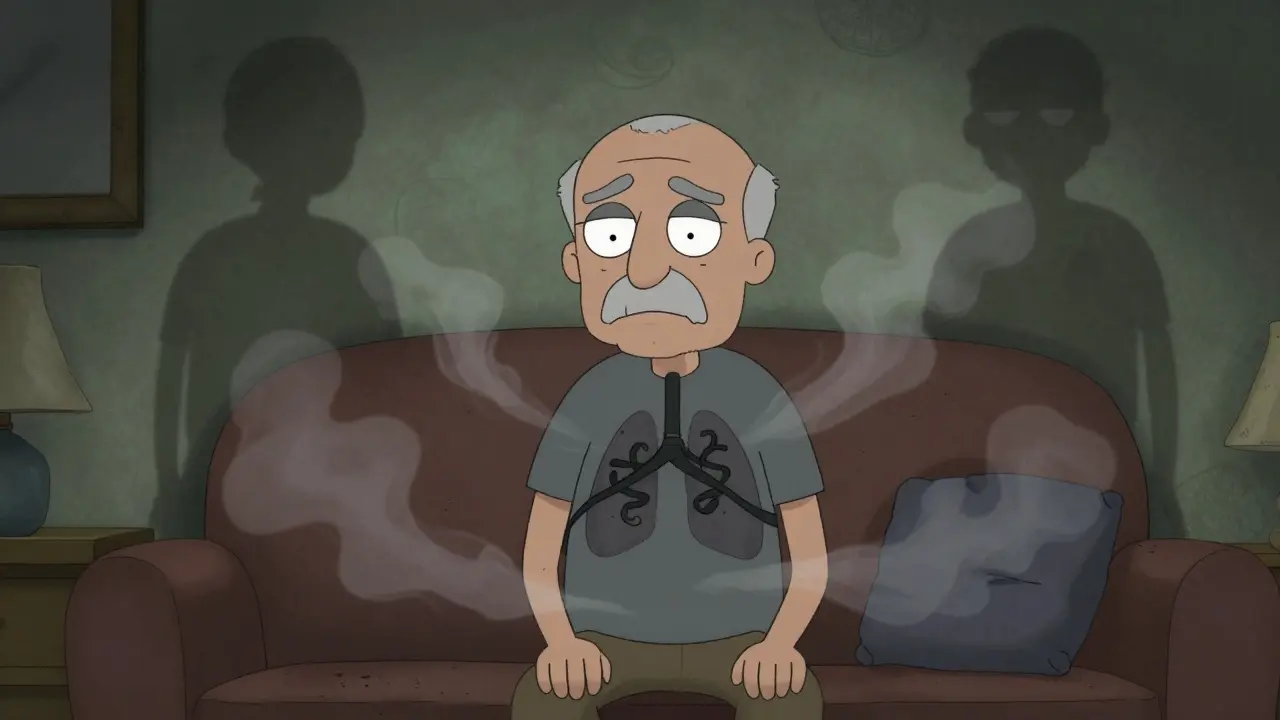
While we often think of RSV as a pediatric issue, it is a major killer among seniors. The CDC estimates that RSV causes between 60,000 and 160,000 hospitalizations and 6,000 to 14,000 deaths annually among adults aged 65 and older in the United States. As we age, our immune systems weaken-a process known as immune senescence-making it harder to fight off viral infections effectively.
Older adults with underlying health conditions are at particular risk. Individuals with chronic obstructive pulmonary disease (COPD) have a 4.2 times higher risk of hospitalization from RSV. Those with congestive heart face a 2.8 times higher risk. A study published in the Journal of Infectious Diseases found that adults aged 75 and older experience hospital stays that are 2.3 times longer than younger adults, with mortality rates nearly double. Furthermore, RSV often exacerbates existing conditions; 78% of hospitalized older adults experience a worsening of pre-existing cardiopulmonary issues. Recovery can be slow and difficult, with many seniors experiencing new functional limitations, such as difficulty bathing or dressing, months after discharge.
Prevention Strategies That Work
Preventing RSV requires a multi-layered approach combining good hygiene with advanced medical interventions. Basic measures remain foundational. Washing hands with soap for at least 20 seconds can reduce transmission risk by 35-50%. Avoiding touching your eyes, nose, and mouth is crucial, as is cleaning high-touch surfaces with EPA-registered disinfectants, which can reduce surface transmission by up to 95%.
However, hygiene alone is no longer enough. Recent years have seen revolutionary advances in medical prevention:
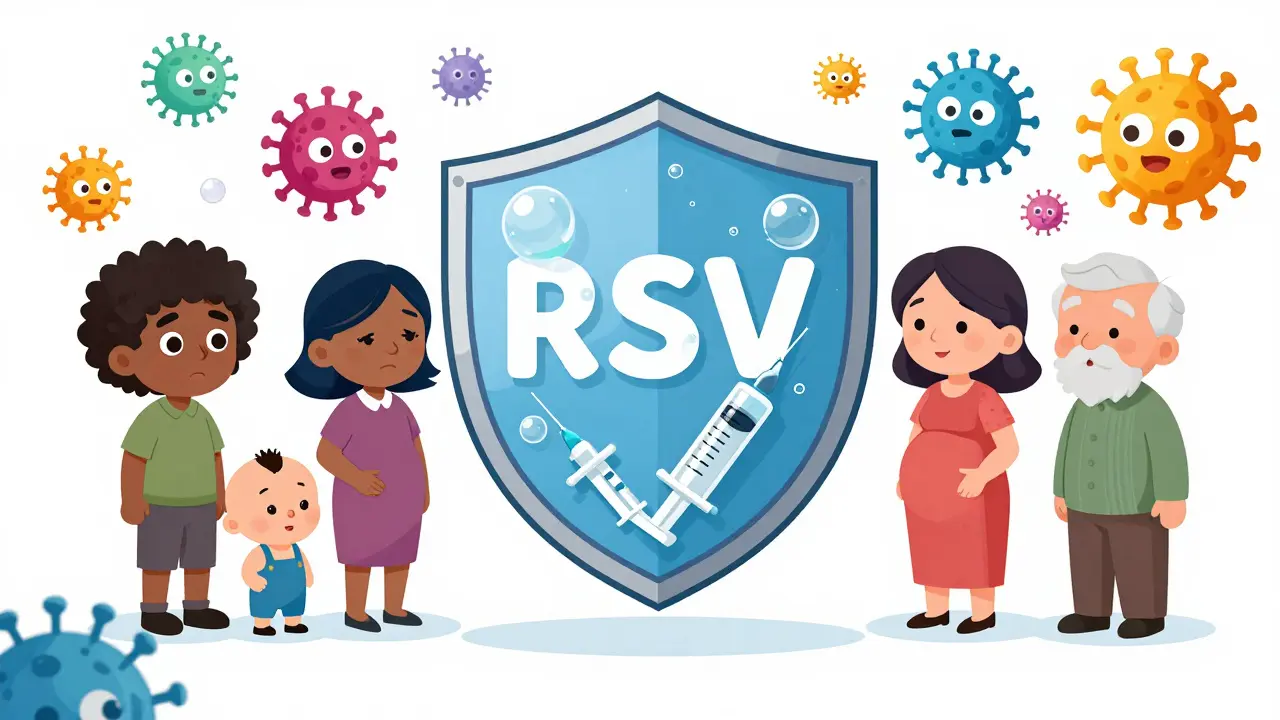
- Nirsevimab (Beyfortus™): Approved by the FDA in July 2023, this is a single-dose long-acting monoclonal antibody for infants. It provides approximately 75% protection against medically attended RSV lower respiratory tract infection for up to 5 months. The CDC recommends universal administration for all infants under 8 months entering their first RSV season.
- Arexvy (GSK): Approved in May 2023, this is the first RSV vaccine for older adults. Clinical trials showed an efficacy of 82.6% against lower respiratory tract disease in adults aged 60 and older.
- Abrysvo (Pfizer): Also approved in May 2023, this vaccine demonstrated 66.7% efficacy in adults 60+. Additionally, Pfizer received approval for Abrysvo for maternal immunization in August 2023, showing 81.8% efficacy in protecting newborns from severe RSV disease.
For high-risk infants who do not qualify for nirsevimab or in cases where it is unavailable, palivizumab (SYNAGIS®) has been used since 1998. It requires monthly injections during RSV season and reduces hospitalization risk by 55-82% for eligible premature infants.
Long-Term Health Impacts
The consequences of severe RSV infection can last well beyond the acute illness. For children, being hospitalized with RSV bronchiolitis before age 2 increases the risk of recurrent wheezing by 4.3 times and physician-diagnosed asthma by 3.2 times by age 7. Studies show these children may have permanent lung function deficits, with forced expiratory volume measurements remaining 8-12% below predicted values into adolescence.
For older adults, the impact is equally profound. Severe RSV infection correlates with accelerated decline in functional status. Research indicates that 42% of hospitalized adults aged 65+ develop at least one new functional limitation within 30 days of discharge. Nearly a third require post-acute care placement, a significantly higher rate than those hospitalized for other non-RSV respiratory infections. This highlights why prevention is not just about avoiding a bad week of symptoms, but about preserving long-term quality of life and independence.
When to Seek Medical Care
Knowing when to call the doctor is vital. For infants, immediate care is needed if they exhibit rapid breathing, chest retractions, bluish skin color, or lethargy. For older adults, seek help if you experience persistent shortness of breath, chest pain, confusion, or a sudden worsening of chronic conditions like COPD or heart failure. Early intervention can prevent progression to intensive care needs.
How long does RSV last?
Most people recover from RSV within 1 to 2 weeks. However, a cough may linger for several weeks. Infants and older adults may take longer to fully recover, and immunocompromised individuals can shed the virus for up to 4 weeks, remaining contagious longer than the average 3 to 8 days.
Can you get RSV more than once?
Yes. Unlike some viruses that provide lifelong immunity, RSV does not. You can be reinfected multiple times throughout your life. Each subsequent infection might be milder, but reinfection is still possible and can be severe in high-risk groups.
Is the RSV vaccine safe for pregnant women?
Yes, specifically the Pfizer Abrysvo vaccine was approved for maternal use in August 2023. It is recommended for pregnant individuals during weeks 32 through 36 of pregnancy to protect the newborn from severe RSV disease in the first months of life. Always consult your healthcare provider for personalized advice.
What is the difference between RSV and the flu?
Both are respiratory viruses with similar symptoms like fever, cough, and fatigue. However, RSV is more likely to cause lower respiratory tract issues like bronchiolitis and pneumonia, especially in infants. Flu tends to cause more systemic symptoms like body aches and high fever. They can occur simultaneously, so testing is often required for accurate diagnosis.
Who should get the RSV vaccine for older adults?
The CDC recommends shared clinical decision-making for RSV vaccination in adults aged 60 and older. It is strongly advised for those with chronic heart or lung disease, weakened immune systems, or those living in nursing homes. Even healthy adults over 60 should discuss vaccination with their doctor due to the general risk associated with aging.