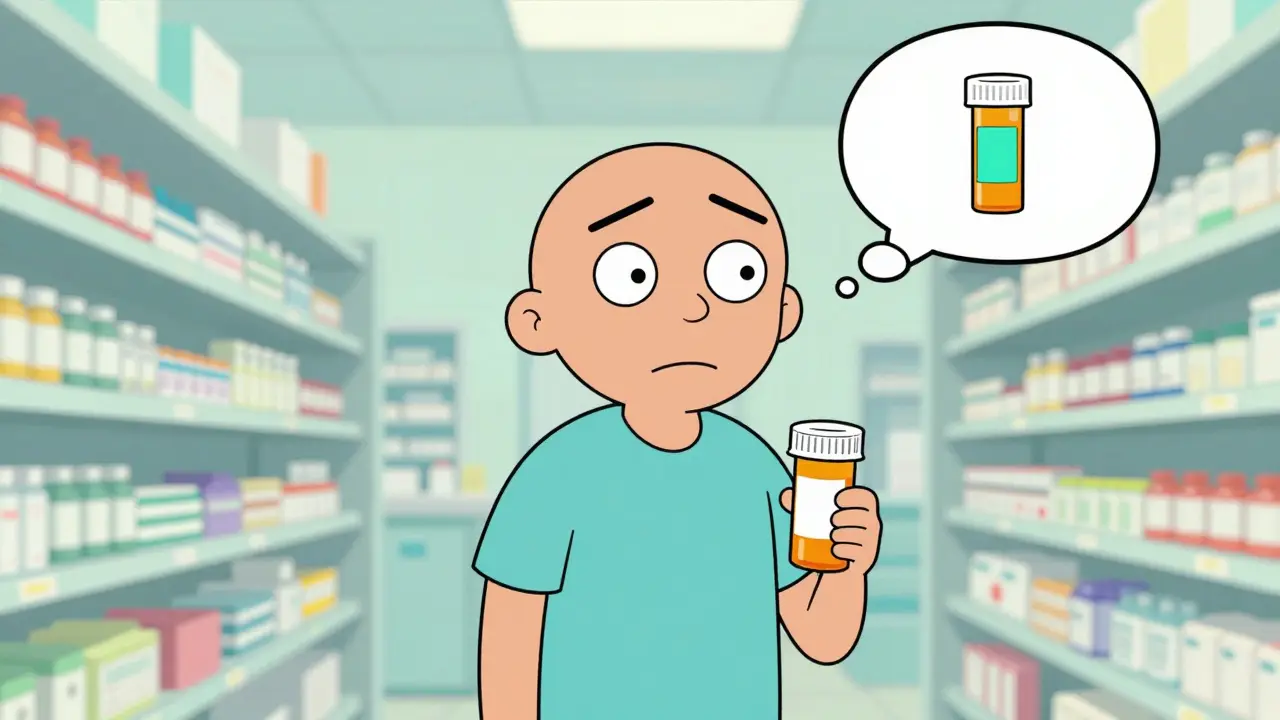
You pick up your prescription at the pharmacy. The pharmacist hands you a bottle that looks slightly different from what you remember-maybe the color is off, or the shape is odd. Panic sets in. Is this a fake? Did something go wrong? Before you throw it away or refuse to take it, take a breath. Chances are, you’re holding a perfectly safe and effective legitimate generic drug.
Generic medications make up about 90% of all prescriptions filled in the United States. They save the healthcare system hundreds of billions of dollars every year by offering the same therapeutic benefits as brand-name drugs at a fraction of the cost. However, the existence of counterfeit medicines creates confusion. Knowing how to identify a legitimate generic drug isn’t just about saving money; it’s about protecting your health. Here is how you can tell the difference between a legal generic and a dangerous fake.
Understanding What Makes a Generic Drug "Legitimate"
To spot a fake, you first need to know what a real generic is. A legitimate generic drug is a pharmaceutical product containing the same active ingredient, dose, safety, and efficacy as its brand-name counterpart. These drugs are manufactured after the brand-name patent expires. In the U.S., they must be approved by the Food and Drug Administration (FDA) through a rigorous process called the Abbreviated New Drug Application (ANDA).
The key requirement for approval is bioequivalence. This means the generic drug must deliver the same amount of active ingredient into your bloodstream in the same amount of time as the brand-name version. Specifically, the FDA requires that the generic’s performance falls within an 80-125% range compared to the brand name. Studies show that nearly 99% of approved generics meet these strict standards with median ratios almost identical to the original drug.
It is crucial to understand that generics are allowed to look different. Brand-name companies hold patents on the specific appearance, color, and inactive ingredients (like dyes or binders) of their pills. Generic manufacturers cannot copy these exact traits without infringing on trademarks. So, if your new pill is blue instead of white, or round instead of oval, that is normal. It does not mean the drug is fake.
Physical Signs of a Counterfeit Medication
While generics vary in appearance from brands, counterfeits often fail basic quality control checks. According to experts like Amy Callanan from Pfizer Global Security, legitimate pills always have a "factory-made" consistency. When you examine your medication, look for these red flags:
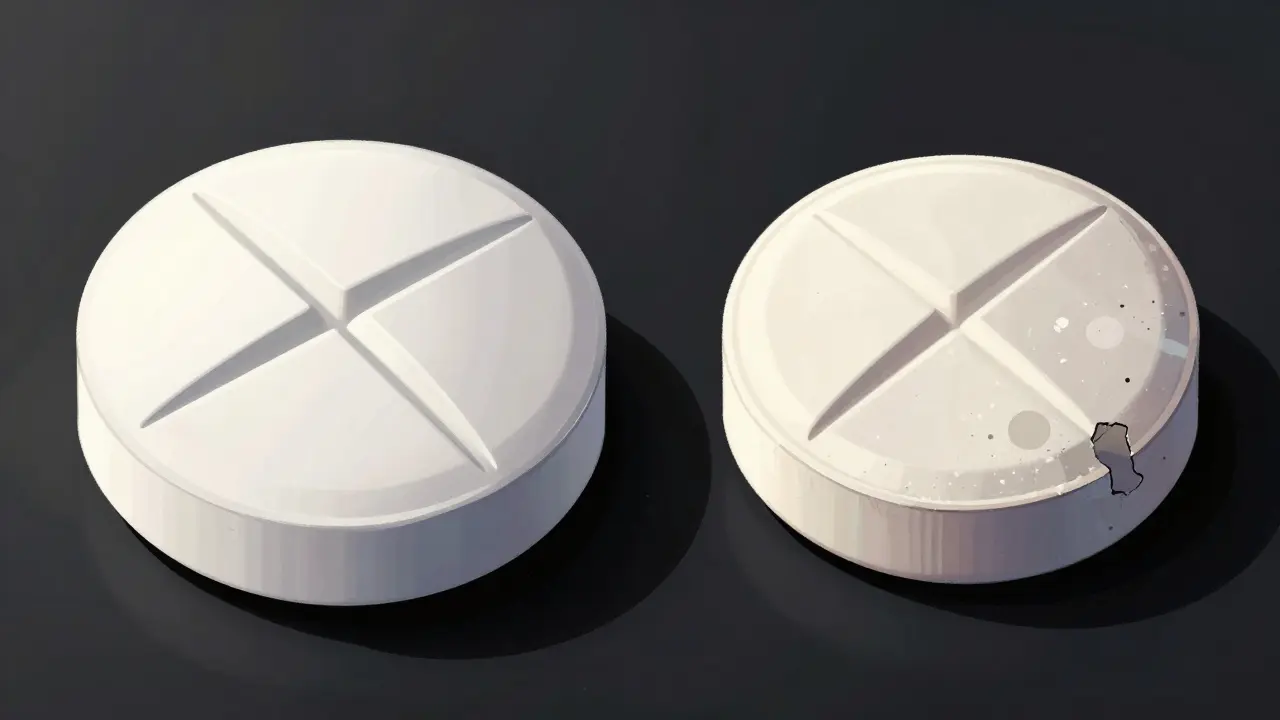
- Inconsistent Appearance: If some pills in the bottle are chipped, cracked, or crumbly, that is a major warning sign. Legitimate manufacturing processes produce uniform tablets.
- Strange Textures or Coatings: Look for bubbled-up coatings, excessive powder in the container, or visible mold. Real pills should feel solid and smooth unless designed otherwise (like chewable tablets).
- Incorrect Markings: Every legitimate pill has an imprint-a code of letters and numbers stamped onto it. This allows pharmacists and doctors to identify the drug. If the imprint is missing, blurry, misspelled, or looks hand-drawn, do not take it.
- Unusual Odors or Tastes: While some medications naturally taste bad, a sudden change in smell or taste can indicate contamination or incorrect ingredients. For example, users reporting counterfeit cardiovascular drugs often mention an unusual chemical aftertaste.
If you notice any of these physical defects, set the medication aside and contact your pharmacist immediately. Do not swallow a pill that looks compromised.
Verifying the Pharmacy and Packaging
The source of your medication is just as important as the pill itself. Most counterfeit drugs enter the market through unverified online pharmacies or illegal supply chains. The National Association of Boards of Pharmacy (NABP) reports that over 96% of websites selling counterfeit drugs operate outside legal frameworks.
When buying medication, check the packaging carefully. Legitimate generic drugs come in proper prescription containers with clear labeling. Look for:
- Manufacturer Information: The label should list the manufacturer’s name (e.g., Teva, Sandoz, Mylan/Viatris).
- Lot Number and Expiration Date: These are required for tracking recalls and ensuring potency. If they are missing, the product is suspicious.
- Crooked or Peeling Labels: Counterfeit operations often rush packaging. Crooked labels or foreign language text on products intended for the U.S. market are strong indicators of illegal imports.
If you buy online, ensure the pharmacy is accredited. Look for the VIPPS (Verified Internet Pharmacy Practice Sites) seal or verify the site through the NABP’s .pharmacy domain registry. Legitimate pharmacies will always require a valid prescription from a licensed doctor. If a website offers to sell you prescription-strength generics without asking for one, it is likely a scam.
Using Technology to Verify Your Drugs
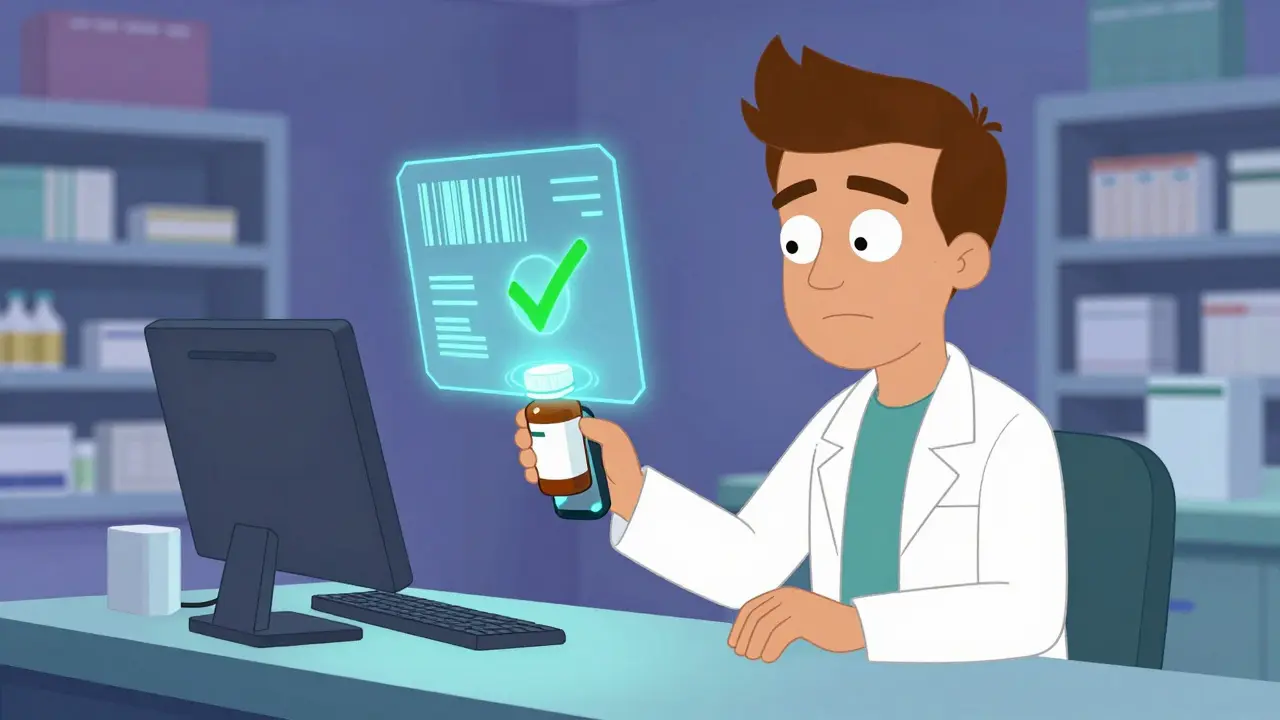
Technology has made it easier than ever to confirm the legitimacy of your medication. The FDA’s Drug Supply Chain Security Act (DSCSA) has pushed for greater transparency. As of late 2023, many prescription drugs include unique serial numbers and 2D data matrix codes that can be scanned.
You can use apps like MediSafe, which is used by millions of consumers, to scan barcodes or input lot numbers to verify authenticity. Additionally, the FDA maintains the Orange Book database, which lists thousands of approved generic drugs. You can search this database to confirm that a specific generic product has been approved and to see its therapeutic equivalence rating.
Pharmacists also play a vital role. During a typical pickup, a pharmacist spends several minutes verifying the package integrity and checking manufacturer databases. If you have doubts, ask them to walk you through the verification process. They can explain why the pill looks different and confirm that it matches the prescription order.
What to Do If You Suspect a Fake
If you believe you have received a counterfeit drug, act quickly but calmly. First, stop taking the medication. Second, contact your pharmacist or doctor. They can inspect the drug and help determine if it is a legitimate generic variation or a potential counterfeit.
Third, report the incident. The FDA’s MedWatch program accepts reports of adverse events and product quality problems. Reporting helps authorities track down illegal suppliers and prevent others from being harmed. Include details like where you bought the drug, the lot number, and photos of the packaging and pills if possible.
Remember, legitimate generic drugs are safe, effective, and heavily regulated. The differences you see are usually just cosmetic changes due to trademark laws. By knowing what to look for and trusting verified sources, you can confidently manage your health without fear of counterfeits.
Why do my generic pills look different from my old ones?
Generic pills may differ in color, shape, or size because brand-name companies hold patents on the specific appearance of their drugs. Generic manufacturers must use different inactive ingredients and designs to avoid trademark infringement. As long as the active ingredient and dosage are the same, the drug is still legitimate and effective.
Are generic drugs less effective than brand-name drugs?
No. Legitimate generic drugs must demonstrate bioequivalence to brand-name drugs, meaning they work the same way in the body. The FDA requires that generics deliver the same amount of active ingredient within the same timeframe. Studies show that nearly 99% of approved generics meet these strict performance standards.
How can I verify if an online pharmacy is legitimate?
Check if the pharmacy has a VIPPS accreditation or uses a .pharmacy domain verified by the National Association of Boards of Pharmacy (NABP). Legitimate pharmacies will always require a valid prescription from a licensed doctor. Avoid sites that sell prescription drugs without a prescription or offer prices that seem too good to be true.
What should I do if my pill has no imprint code?
Every legitimate prescription pill in the U.S. must have an imprint code consisting of letters, numbers, or both. If your pill lacks an imprint, or if the marking is blurry or misspelled, it could be counterfeit. Do not take the medication. Contact your pharmacist immediately for inspection and replacement.
Where can I report suspected counterfeit drugs?
You can report suspected counterfeit drugs to the FDA’s MedWatch program. Provide details such as the pharmacy name, lot number, expiration date, and photos of the drug and packaging. Reporting helps regulatory agencies track illegal supply chains and protect public health.