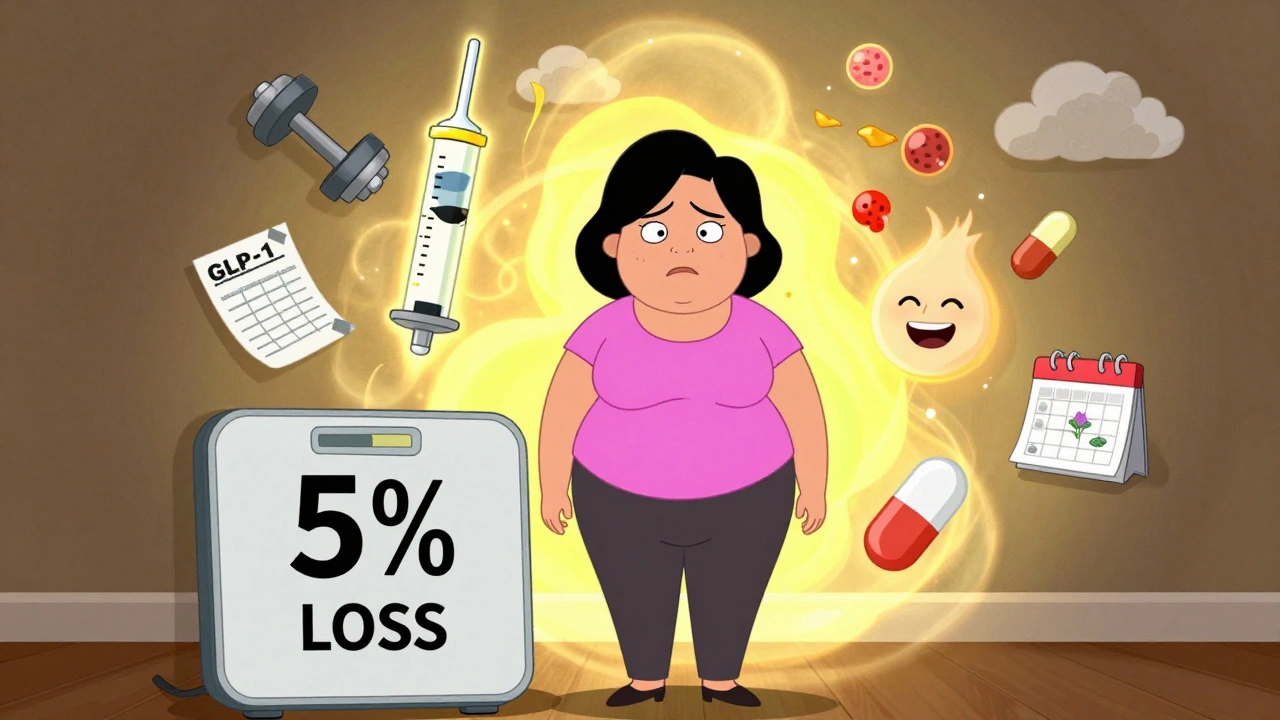
Women with PCOS who struggle with weight often feel stuck. No matter how hard they try-dieting, exercising, counting calories-the scale barely moves. And even when they lose a little, the hormones stay out of balance: high testosterone, irregular periods, insulin resistance. It’s not laziness. It’s biology. That’s where GLP-1 receptor agonists come in-not as a magic pill, but as a powerful tool that finally targets the root problems: weight and metabolism.
Why Traditional PCOS Treatments Fall Short
Metformin has been the go-to for years. It helps with insulin resistance, can improve ovulation, and sometimes leads to a 2-5% weight loss. That sounds good-until you compare it to what’s possible. For many women, losing 5% of body weight is the threshold where symptoms start to improve: periods become regular, acne clears, fertility improves. But 5% is hard to reach with metformin alone. And if you’re carrying 50 extra pounds, that’s just 2.5 pounds. Not enough to change your life. Oral contraceptives help with acne and periods, but they don’t touch weight or insulin. They might even make weight harder to lose. Lifestyle changes? Essential-but they’re not enough for most women with PCOS and obesity. The body fights back. Hunger spikes. Energy drops. The cycle keeps repeating.How GLP-1s Actually Work
GLP-1s are not new drugs. They were first made for type 2 diabetes. But doctors noticed something surprising: patients lost weight. A lot of it. That’s because GLP-1 receptors are everywhere-not just in the pancreas, but in the brain, the gut, and even fat tissue. These drugs work in three key ways:- They slow down your stomach. Food stays in your gut longer, so you feel full after eating less.
- They talk to your brain. They reduce hunger signals and make food less tempting, especially carbs and sweets.
- They improve insulin sensitivity. Your body uses sugar better, which lowers blood sugar and reduces fat storage.
The Numbers Don’t Lie: Real Weight Loss in PCOS
Studies show GLP-1s work-fast and hard. In one trial, women with PCOS and obesity lost 5.6% of their body weight in just 12 weeks on liraglutide. On semaglutide, that number jumped to over 10% in 36 weeks. One woman lost 28 pounds, her testosterone dropped from 68 to 42 ng/dL, and she had her first regular period in three years. Compare that to metformin: 2-4% weight loss. GLP-1s aren’t just better-they’re in a different league. A meta-analysis of 12 studies found GLP-1 users lost an average of 3.57 kg more than those on placebo. Visceral fat (the dangerous kind around your organs) dropped by 18%. That’s not just cosmetic. That’s reducing your risk of heart disease, diabetes, and stroke.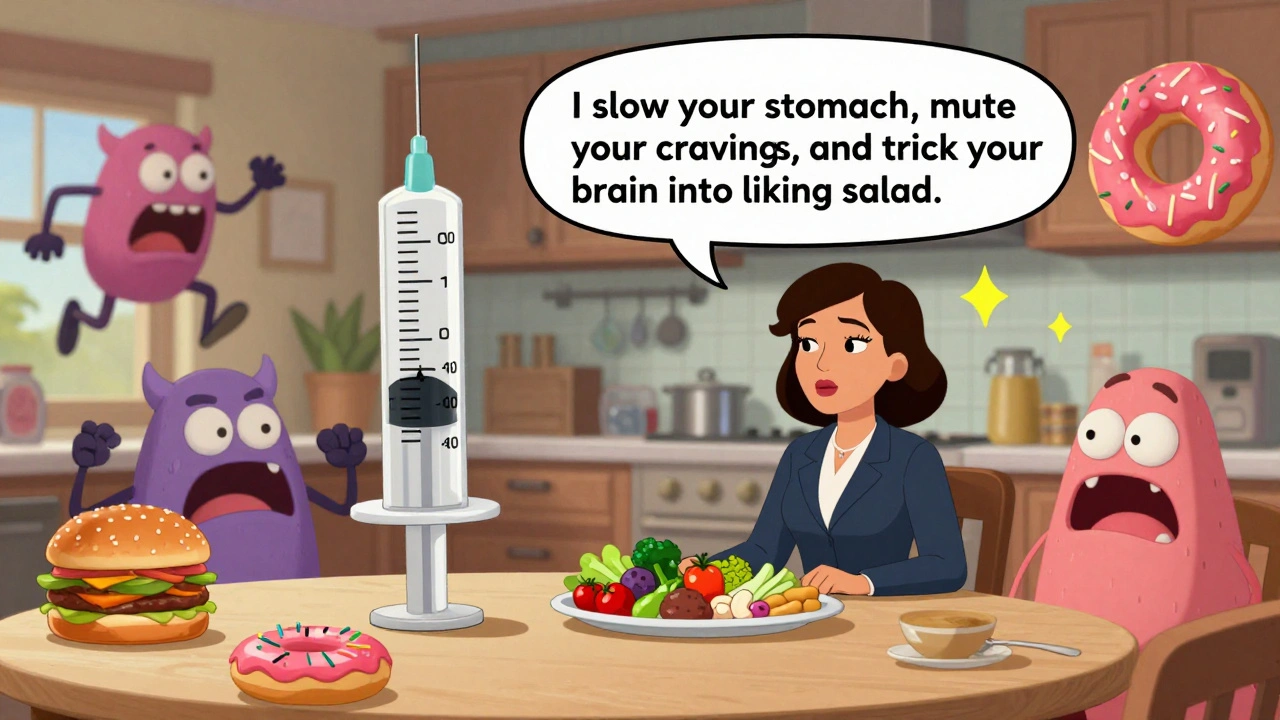
Who Benefits the Most?
GLP-1s aren’t for everyone with PCOS. They work best when two things are true:- You have a BMI of 30 or higher.
- You have insulin resistance or prediabetes.
Side Effects: What No One Tells You
Yes, GLP-1s work. But they’re not easy. About 44% of people get nausea. 24% vomit. Dizziness and fatigue are common in the first few weeks. These aren’t rare side effects-they’re expected. The trick? Start low and go slow. Semaglutide begins at 0.25 mg weekly. That’s a tiny dose. You increase it every 4 weeks until you hit 1.7 mg or 2.4 mg. Many women feel better by week 8. Others need more time. Some people quit because of nausea. One Reddit user wrote: “Spent $1,200 a month on Wegovy. Lost 15 lbs but couldn’t keep food down. Went back to metformin.” That’s real. The cost is brutal. Brand-name semaglutide (Wegovy) costs $800-$1,400 a month. Metformin? $10-$20. And there’s no guarantee you’ll keep the weight off. If you stop the drug, most people regain it. But here’s the key insight: if you combine GLP-1s with lifestyle changes-and keep taking metformin after stopping the GLP-1-you only regain one-third of the weight. That’s huge.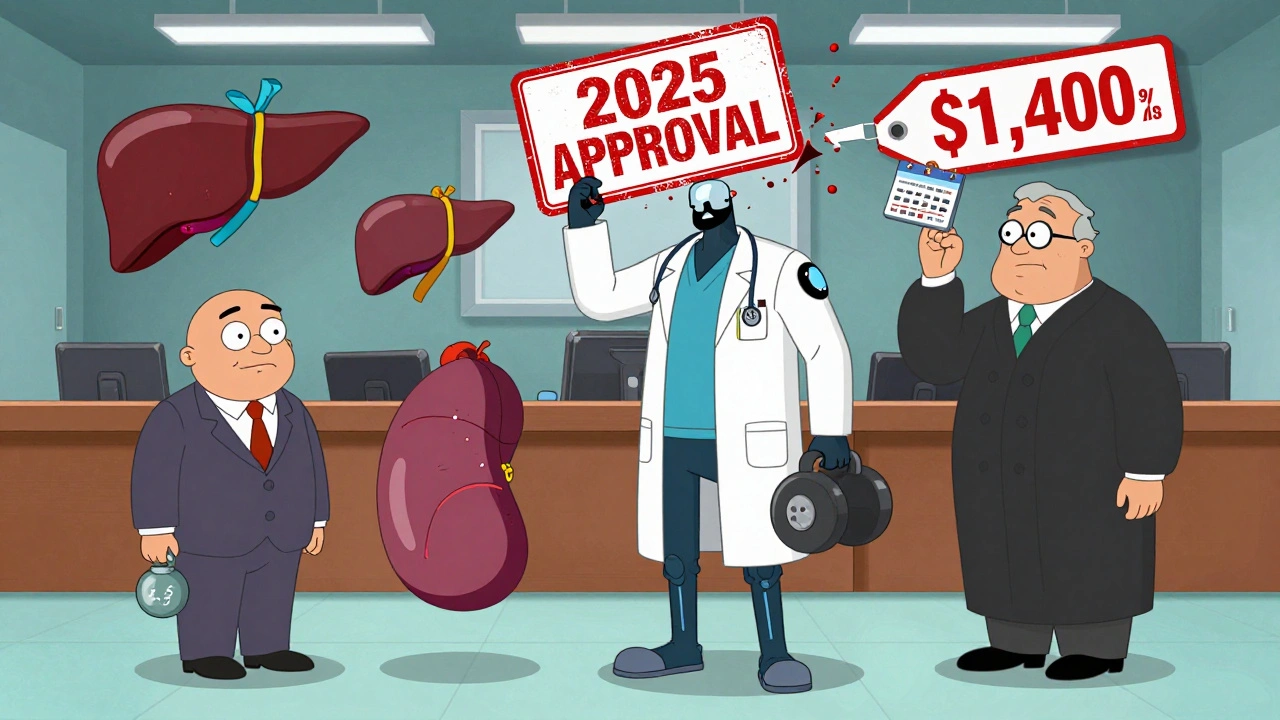
What’s Next? The Future of PCOS Treatment
In June 2024, Europe accepted Novo Nordisk’s application to approve semaglutide 2.4 mg specifically for women with PCOS and metabolic issues. A decision is expected in early 2025. That’s a big deal. Right now, it’s off-label. That means doctors can prescribe it-but insurance often won’t cover it. New drugs are coming. Retatrutide, a triple agonist that hits GLP-1, GIP, and glucagon receptors, is showing even better weight loss in early trials. Oral versions of GLP-1s (like Rybelsus) are already available and may be easier to take than injections. By 2027, experts predict GLP-1s will be standard care for obese women with PCOS. But cost and access will be the biggest barriers. Without insurance, most people can’t afford it. And without long-term data beyond two years, some doctors hesitate.What Should You Do?
If you have PCOS and obesity:- Get tested for insulin resistance. Ask for fasting insulin and HOMA-IR.
- Track your weight and waist size. Aim for a 5-10% loss.
- Talk to your endocrinologist about GLP-1s. Don’t assume they’re too expensive or risky.
- Start with metformin if you haven’t already. It’s cheap, safe, and helps.
- If you start a GLP-1, go slow. Don’t rush the dose. Give your body time to adjust.
- Keep eating protein, fiber, and whole foods. Don’t think the drug will fix everything.
- Plan for long-term use. This isn’t a 3-month fix. It’s a tool for long-term health.
GLP-1s work but the cost is insane
My cousin lost 30 lbs on Wegovy then stopped and gained it all back in 4 months
Metformin still the real MVP for most of us
I find it deeply concerning that medical professionals are endorsing pharmacological interventions for what is fundamentally a lifestyle disorder. The normalization of pharmaceutical dependency is alarming, especially when dietary discipline and metabolic re-education remain underutilized.
It’s not about the drug it’s about the story we tell ourselves
You think you’re broken so you reach for a pill
But what if you’re just out of sync with your body’s rhythm
GLP-1s might quiet the noise but they don’t teach you how to listen
I cried when I read this... I lost 40 lbs on semaglutide and my periods came back after 5 YEARS 😭
But then my insurance dropped it and I had to go back to eating like a starving ghost...
Now I’m back to 180 lbs and my anxiety is worse than ever 💔
Why does healing cost so much? 🥺
Another woke pharma scam. Women don’t need drugs. They need discipline. Stop blaming biology. Stop blaming insulin. Stop blaming everything but your own choices. If you can’t lose weight on a 1200-calorie diet you’re lazy. End of story.
I just want to say thank you for writing this with so much care
For so long I felt like my body was betraying me
Now I see it’s just been misunderstood
And maybe I don’t have to fight it alone anymore
Peace to every woman reading this you’re not broken
I’ve been researching this for over a year now and I’ve read every single clinical trial from 2019 to 2024, and the data is overwhelmingly consistent: GLP-1 agonists produce statistically significant reductions in visceral adipose tissue, improve HOMA-IR scores by an average of 38%, and increase the likelihood of spontaneous ovulation by 2.3x compared to placebo groups, especially when combined with low-glycemic dietary patterns and resistance training, which is something that’s rarely emphasized enough in the mainstream narrative but is absolutely critical for long-term metabolic adaptation and hormonal resilience, and I think the real takeaway here is not just efficacy but sustainability through integrated lifestyle support systems, not just pharmacological monotherapy.
They’re hiding the real data. The FDA documents show 1 in 8 users develop pancreatitis. The trials were funded by Novo Nordisk. The women who lost weight? They were all under 35. What about women over 40? No one talks about that. And why is no one asking why this wasn’t approved for PCOS until now? Coincidence? Or profit?
In Nigeria we don’t even have access to metformin properly. You think we care about Wegovy? We fight for insulin. We fight for glucose strips. This is a rich person’s solution to a problem created by rich people’s diets and rich people’s pharmaceutical monopolies. We need food systems, not fancy pens.
I want to say this gently but I really mean it - if you’re reading this and you’re struggling, please know you’re not failing. You’re not lazy. You’re not broken. You’re just working with a body that’s been misunderstood by medicine for decades. GLP-1s aren’t magic, but they’re giving people back their dignity. And if you’re thinking about trying them, start slow, talk to your doctor, find a community, and don’t rush the process. Healing isn’t linear. You’re doing better than you think. I believe in you.