
Alcohol & Diabetes Interaction Risk Assessor
Step 1: Select Your Medication Type
Step 2: Drinking Context
Risk Meter
Neutral
Select options and click assess to see your personalized risk profile based on current medical guidelines.
This tool provides educational information based on general medical guidelines. It is not a substitute for professional medical advice. Always consult your healthcare provider for personal guidance.
Imagine you're at a dinner party, enjoying a glass of wine. You feel a bit dizzy, your speech gets slightly slurred, and your friends joke that you've had one too many. But what if it isn't the alcohol making you feel this way? What if your blood sugar has plummeted to dangerous levels?
This scenario is far more common than most people realize. For individuals managing diabetes, mixing alcohol with diabetes medications like insulin or metformin creates a complex biological trap. The symptoms of low blood sugar (hypoglycemia) mimic intoxication so closely that even experienced diabetics can miss the warning signs until it's too late. Understanding how these substances interact in your body is not just about following rules; it's about staying alive.
The Liver's Dilemma: Why Blood Sugar Drops
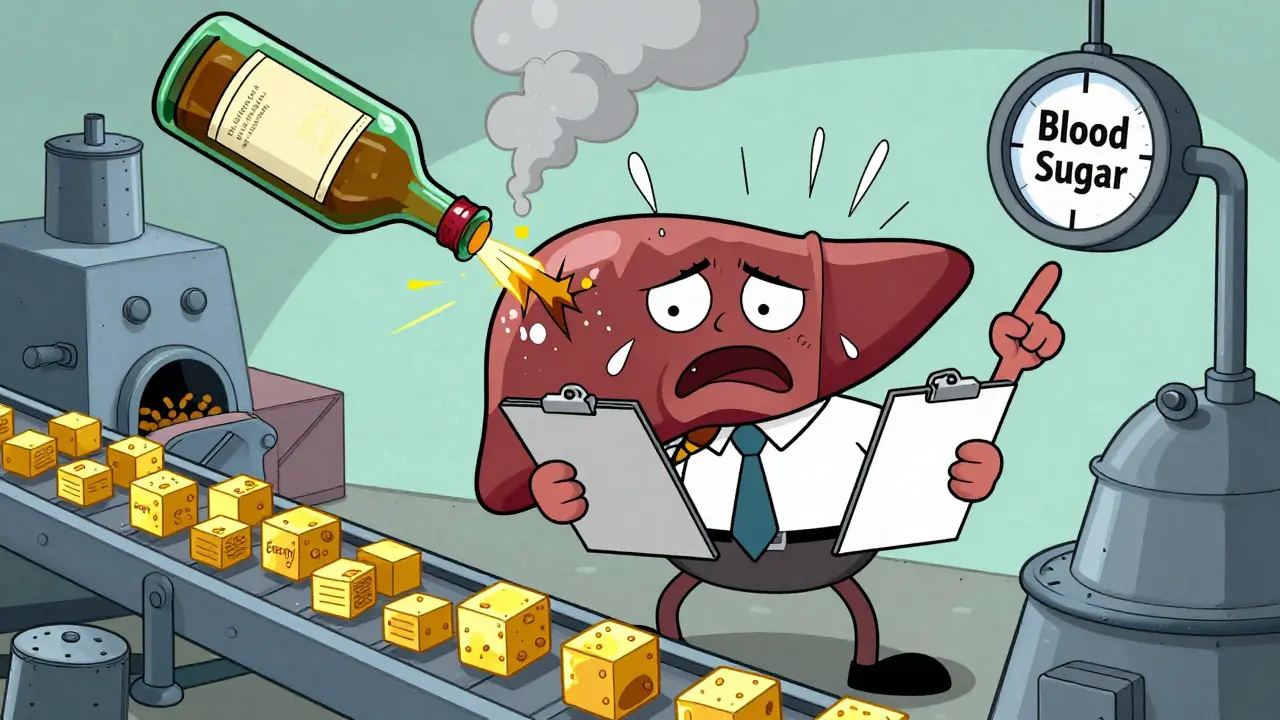
To understand why alcohol causes such drastic drops in blood glucose, we need to look at what happens inside your liver. Think of your liver as a busy factory manager with two main jobs. First, it keeps your blood sugar stable by storing glucose as glycogen and releasing it when your levels drop. Second, it acts as the body's detox center, breaking down harmful substances like alcohol.
When you drink alcohol, the liver prioritizes detoxification above all else. It stops releasing stored glucose because metabolizing alcohol takes precedence. If you are taking insulin or sulfonylureas (medications that stimulate insulin production), your body is actively lowering blood sugar while simultaneously blocking the liver's natural backup system. The result? Your blood sugar can crash rapidly.
This effect doesn't always happen immediately. Alcohol metabolism can take hours. This means you might go to bed feeling fine, only to wake up in the middle of the night with severe hypoglycemia. This delayed reaction is particularly dangerous because you may be asleep and unable to treat the low blood sugar before it becomes life-threatening.
The Great Mimic: Confusing Intoxication with Hypoglycemia
One of the biggest risks of combining alcohol and diabetes medication is the confusion between being drunk and having low blood sugar. Both conditions share nearly identical symptoms:
- Slurred speech
- Drowsiness or fatigue
- Confusion or difficulty concentrating
- Unsteady gait or difficulty walking
- Irritability
If you have hypoglycemia unawareness-a condition where you don't feel the typical early warnings of low blood sugar like shakiness or sweating-the risk increases dramatically. Friends or family members might assume you are simply intoxicated and let you sleep it off. In reality, your brain is starving for glucose. Without immediate treatment using fast-acting carbohydrates, this can lead to seizures, coma, or worse.
The American Diabetes Association emphasizes that distinguishing between these states is critical. If someone with diabetes appears "drunk" but hasn't consumed much alcohol, or if their behavior seems out of character, check their blood sugar immediately. Do not assume they are just tired or tipsy.
Metformin and Gastrointestinal Stress
While insulin users worry primarily about hypoglycemia, those taking metformin (often branded as Glucophage) face different challenges. Metformin works by decreasing the amount of glucose produced by the liver and improving insulin sensitivity. It is generally considered safe regarding hypoglycemia risk when taken alone, but combining it with alcohol introduces other problems.
Both alcohol and metformin can irritate the gastrointestinal tract. When combined, they amplify side effects such as:
- Nausea and vomiting
- Abdominal pain and cramping
- Loss of appetite
- Indigestion and sour stomach
- Excess gas
These symptoms aren't just uncomfortable; they can lead to dehydration and poor nutrition, which destabilize overall diabetes management. Furthermore, heavy alcohol use puts additional stress on the liver. Since metformin is processed through the kidneys and affects liver function indirectly, chronic heavy drinking can increase the risk of rare but serious complications like lactic acidosis, a buildup of lactic acid in the bloodstream.
Liver Health: The Double Burden
Your liver is central to both diabetes management and alcohol metabolism. Chronic alcohol consumption can lead to fatty liver disease, hepatitis, and eventually cirrhosis. A damaged liver struggles to regulate blood glucose effectively, making diabetes harder to control. Conversely, poorly controlled diabetes can also contribute to non-alcoholic fatty liver disease.
When you add diabetes medications into the mix, you are asking an already stressed organ to do even more work. Pharmacokinetic interactions occur in the liver, where enzymes like CYP2E1 break down both alcohol and certain medications. Heavy drinking alters how these enzymes work, potentially changing how long medications stay in your system or how strongly they act.
If you have existing liver issues, even moderate alcohol consumption can be risky. Always discuss your liver health status with your healthcare provider before deciding to drink.
| Medication Class | Primary Risk with Alcohol | Key Symptoms to Watch | Precautionary Advice |
|---|---|---|---|
| Insulin & Sulfonylureas | Severe Hypoglycemia | Confusion, slurred speech, drowsiness | Check blood sugar frequently; eat carbs while drinking |
| Metformin | Gastrointestinal distress, Lactic Acidosis (rare) | Nausea, abdominal pain, muscle cramps | Avoid binge drinking; monitor hydration |
| SGLT2 Inhibitors | Euglycemic Diabetic Ketoacidosis (DKA) | Nausea, vomiting, abdominal pain, fruity breath | Limit alcohol; stay hydrated; check ketones if symptomatic |

Practical Guidelines for Safer Consumption
If you choose to drink alcohol while managing diabetes, preparation is key. There is no universal rule that applies to everyone, as individual responses vary based on medication dosage, food intake, and physical activity. However, experts recommend several strategies to minimize risk.
Eat before and during drinking. Never drink on an empty stomach. Consuming a meal or snack containing carbohydrates helps slow the absorption of alcohol and provides a buffer against dropping blood sugar. Choose foods with complex carbs and protein rather than simple sugars, which can cause rapid spikes followed by crashes.
Choose your drinks wisely. Sugary cocktails, sweet wines, and regular beers contain high amounts of carbohydrates that can spike blood sugar initially, followed by a sharp drop as the alcohol takes effect. Opt for dry wines, light beers, or spirits mixed with zero-calorie beverages like soda water. Avoid sugary mixers like juice or regular soda.
Monitor your levels. Check your blood sugar before you start drinking, periodically throughout the evening, and right before going to bed. If your level is below 100 mg/dL, eat a small snack before having another drink. If you use a continuous glucose monitor (CGM), keep an eye on trends, but remember that CGMs may lag behind actual blood sugar changes during alcohol consumption.
Set alarms. Because hypoglycemia can occur hours after your last drink, set an alarm to check your blood sugar in the middle of the night. Keep fast-acting glucose tablets or juice by your bedside for emergency treatment.
Inform your companions. Let friends or family know you have diabetes. Explain the difference between hypoglycemia and intoxication so they can help you if you become confused or unresponsive. Wearing medical identification jewelry is also a smart precaution.
When to Avoid Alcohol Entirely
For some individuals, avoiding alcohol is the safest choice. You should abstain from drinking if:
- You have a history of frequent hypoglycemia episodes.
- You have been diagnosed with liver disease or pancreatitis.
- You have neuropathy or other complications that affect your ability to recognize symptoms.
- You are pregnant or trying to conceive.
- Your doctor has specifically advised against it due to your specific medication regimen or health status.
Remember, moderation is defined differently for people with diabetes. While general guidelines suggest up to one drink per day for women and two for men, your personal limit may be lower or zero. Always consult your healthcare team to determine what is safe for you.
Can I drink alcohol if I take metformin?
Yes, but with caution. Metformin does not typically cause hypoglycemia on its own, but combining it with alcohol can worsen gastrointestinal side effects like nausea and abdominal pain. Heavy drinking increases the risk of lactic acidosis, a rare but serious condition. Limit intake to moderate levels and avoid binge drinking.
How long does alcohol affect blood sugar levels?
Alcohol can affect blood sugar for up to 24 hours after consumption. The initial effect may be a slight rise if the drink contains carbs, but the subsequent blockage of liver glucose release can cause hypoglycemia many hours later, often overnight. Monitoring blood sugar before bed and setting alarms is recommended.
What are the signs of hypoglycemia vs. being drunk?
Symptoms overlap significantly, including slurred speech, confusion, drowsiness, and unsteady walking. Key differences may include cold, clammy skin and sweating in hypoglycemia, whereas intoxication might present with flushed skin. However, these distinctions are not reliable. Always check blood sugar if there is any doubt.
Is it safe to drink beer with diabetes?
Beer contains carbohydrates that can raise blood sugar initially, but the alcohol content can later cause a drop. Light beers have fewer carbs and calories, making them a better option. Monitor your blood sugar closely and consume beer with food to mitigate fluctuations.
Should I check my blood sugar before going to bed after drinking?
Absolutely. Checking blood sugar before bed is crucial because hypoglycemia can occur while you sleep. If your level is below 100 mg/dL, eat a small snack with complex carbohydrates and protein. Consider setting an alarm to check again during the night.