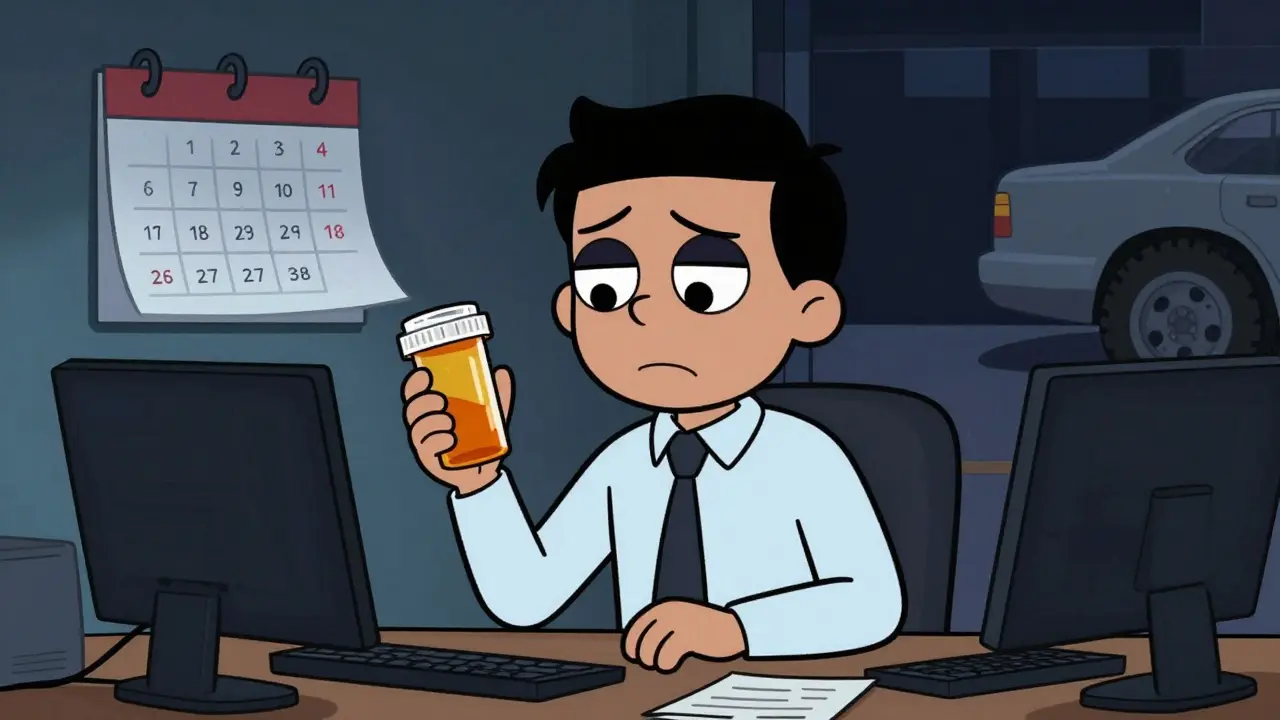
Running out of blood pressure medication because you couldn't find time to stop at the pharmacy is a scenario that ruins weeks of health progress. It happens more often than we like to admit. For millions of Americans managing daily prescriptions, the simple act of picking up medicine has become a logistical hurdle rather than a routine task. This is where mail-order pharmacy services step in, transforming how we access healthcare from our living rooms.
The shift isn't just about laziness; it's about survival for those with mobility issues, busy schedules, or limited transportation. In fact, mail-order pharmacies now handle roughly 25% of all prescription drug volume in the United States. By leveraging these services, you can secure better adherence rates, save significant money, and eliminate the stress of driving to a crowded counter. Here is everything you need to know to switch smoothly and keep your health on track.
Understanding How Mail-Order Pharmacies Work
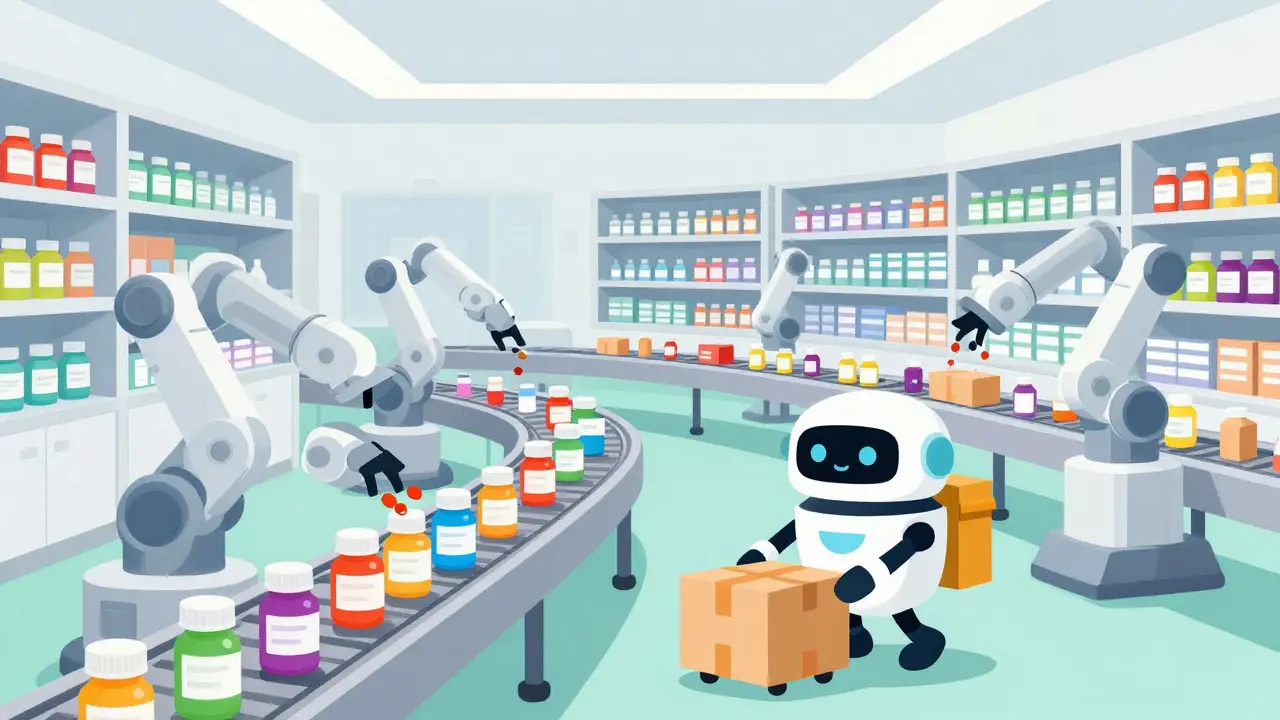
At its core, a mail-order pharmacy is a licensed facility that dispenses medications and ships them directly to your door. Unlike the retail store around the corner, these facilities operate on an industrial scale. They use robotic dispensing systems and computer-controlled quality checks that result in significantly higher accuracy rates-up to 23 times greater than traditional retail pharmacies according to PCMA research.
The model originated in the late 1990s but exploded during the 2020-2022 pandemic when safety concerns drove patients online. Today, most major insurance plans include mail-order coverage automatically. You don't necessarily need a separate account; it is often built into your existing benefits through Pharmacy Benefit Managers (PBMs) like Express Scripts, CVS Caremark, or OptumRx. The key difference lies in the supply duration: while retail pharmacies typically dispense 30-day supplies, mail-order focuses on 90-day refills for maintenance medications.
This structure changes the dynamic entirely. Instead of visiting a pharmacy three times a month, you visit once every three months-or rather, the medication visits you. This reduction in friction is the primary driver behind improved patient outcomes and lower administrative burdens for both providers and patients.
Who Should Switch to Home Delivery?
Not every prescription belongs in the mail. To maximize convenience without risking gaps in care, you must distinguish between maintenance medications and acute needs.
- Ideal Candidates: Medications for chronic conditions such as hypertension, diabetes, high cholesterol, asthma, and thyroid disorders. These require consistent, long-term use where a 90-day supply makes logical sense.
- Not Suitable: Antibiotics for infections, painkillers for injuries, or any controlled substances (like opioids). Acute medications often need immediate adjustment based on symptoms, which requires direct pharmacist interaction.
- Specialty Drugs: Some complex biologics may require specific handling or monitoring that standard mail-order cannot provide, though this is changing with advanced temperature-controlled shipping.
If you are taking stable doses of medication for a condition that doesn't change day-to-day, you are likely a perfect candidate. For example, if you take Lisinopril for blood pressure every morning without fail, switching to mail-order removes the variability of retail stockouts and wait times.
The Financial and Health Benefits
The advantages of switching extend far beyond skipping traffic. The data supports two major pillars: cost savings and adherence improvement.
| Feature | Retail Pharmacy | Mail-Order Pharmacy |
|---|---|---|
| Supply Duration | 30 days | 90 days |
| Cost Efficiency | Higher per-pill cost | 25-35% lower total cost |
| Adherence Rate | ~52% | ~82% |
| Dispensing Accuracy | Standard manual check | Robotic/Automated (23x higher) |
| Delivery Time | Immediate pickup | 3-5 business days (standard) |
Let's look closer at the numbers. Patients using 90-day mail-order supplies show an 82% adherence rate compared to just 52% for those filling 30-day scripts at retail locations. Why does this matter? Poor adherence leads to hospitalizations. When you miss doses, your condition worsens, leading to emergency room visits that cost thousands more than the medication itself.
Financially, the savings are tangible. Most plans charge the equivalent of two copays for a 90-day supply instead of three. Over a year, this can save patients $150 to $300 annually on brand-name drugs alone. For Medicare beneficiaries, who utilize these services at a 42% rate, these savings help stretch fixed incomes further.
Step-by-Step Guide to Getting Started
Switching doesn't have to be complicated. Follow these steps to transfer your prescriptions seamlessly.
- Check Your Coverage: Log into your insurance portal or call the number on your card. Ask specifically: "Does my plan cover mail-order pharmacy for maintenance medications?" Most do, including Blue Cross NC and UnitedHealthcare.
- Identify Eligible Prescriptions: List out your daily meds. Exclude antibiotics, injectables requiring training, and controlled substances. Focus on the pills you take every single day.
- Initiate the Transfer: Provide the mail-order service with your current pharmacy details. Transfers typically take 3-5 business days. Do not cancel your old refills until the new order is confirmed to avoid running out.
- Set Up Auto-Refill: Enable automatic refills in the app or website. This ensures the next 90-day supply is processed before you run out. Aim to set alerts for 10 days before your expected delivery date.
- Synchronize Deliveries: If you take multiple medications, request synchronization. Many services allow you to bundle all prescriptions into one shipment, so you receive everything on the same day each quarter.
Once set up, the process runs largely on autopilot. You receive email notifications when orders ship and tracking links to monitor arrival. Most packages arrive in discreet, tamper-evident boxes designed to protect privacy and integrity.

Common Pitfalls and How to Avoid Them
While convenient, mail-order isn't immune to issues. Being aware of potential problems helps you manage expectations.
Shipping Delays: Standard delivery takes 3-5 business days. During holidays or severe weather, expect delays. Always maintain a buffer of at least 7-10 days of medication at home. Never let your supply drop below one week unless you have a backup plan.
Lost Packages: Approximately 1.2% of shipments are reported lost or damaged. Keep your phone handy during delivery windows. If a package goes missing, contact customer support immediately. Reputable services like Patient Direct Pharmacy or Birdi Pharmacy offer rapid replacement protocols.
Lack of Personal Interaction: You won't see a pharmacist face-to-face. However, most mail-order services offer 24/7 phone access to pharmacists for counseling. Use this resource if you have questions about side effects or interactions. Don't assume silence means no support is available.
Future Trends in Medication Delivery
The landscape continues to evolve. We are seeing increased integration with telehealth, allowing doctors to prescribe and mail medications in a single digital workflow. AI-powered adherence tools now predict when you might miss a dose and send proactive reminders. Additionally, drone delivery pilots in rural areas promise to cut delivery times even further, addressing the needs of the 29.5 million Americans living in pharmacy deserts.
For now, the foundation remains solid: reliable, accurate, and affordable delivery of life-saving medications. By adopting mail-order pharmacy services, you take control of your health logistics, ensuring that convenience never compromises care.
Can I get controlled substances via mail-order pharmacy?
Generally, no. Federal regulations restrict mailing Schedule II controlled substances (such as strong opioids and ADHD stimulants). Mail-order pharmacies focus on non-controlled maintenance medications. You will still need to pick up these specific prescriptions at a local retail pharmacy.
How much cheaper is mail-order compared to retail?
On average, mail-order costs 25-35% less than buying three separate 30-day supplies. Insurance plans often structure copays so you pay only two copays for a 90-day supply, resulting in annual savings of $150-$300 for many patients on chronic medications.
What happens if my medication arrives damaged?
Contact the pharmacy's customer service immediately. Take photos of the damage if possible. Reputable providers will replace the medication quickly, often via expedited shipping, at no extra cost. About 1.2% of shipments experience transit issues, so having their support number saved is wise.
Do I need to transfer all my prescriptions?
No. You should only transfer maintenance medications taken regularly over long periods. Keep acute prescriptions (like antibiotics or allergy meds used occasionally) at your local pharmacy for immediate access when needed.
Is mail-order pharmacy covered by Medicare?
Yes, most Medicare Part D plans include mail-order benefits. Utilization among Medicare beneficiaries is high, at around 42%, due to the significant cost savings and convenience for seniors managing multiple chronic conditions.
I really appreciate this breakdown because it makes such a scary topic feel manageable. :) It is so easy to forget that we have options when life gets busy and stressful. The part about the 90-day supply saving money is huge for my budget right now. I used to think I had to go to the store every single month no matter what. Now I know better! Thanks for sharing this info.
Oh, please!! Do not trust these big corporate mail-order scams!!! They are just trying to lock you into their system!!! Once you transfer your meds, they will raise your copay or lose your package on purpose!!! You should always support your local pharmacy owner who knows your name!!! This article is clearly biased towards the big pharma profits!!! Wake up people!!!
This is actually a game changer for anyone with a demanding job or family commitments. I switched last year and haven't looked back. The auto-refill feature is a lifesaver because I am terrible at remembering dates. Plus, getting everything in one box every three months keeps my bathroom cabinet organized. Highly recommend checking your insurance portal first though!
I was skeptical at first but my doctor pushed me to try it. The tracking updates give me peace of mind. I like knowing exactly when it arrives. It feels safer than leaving prescriptions in a car sometimes. Good tips here.
Why do they want us to stop going to physical stores? It is all about control. They want to monitor our health data and sell it. Who is watching the watchers? I bet the robots are stealing our identities while we sleep. Just keep your meds in the fridge and hide them from the government drones.
From a clinical operations standpoint, the adherence metrics cited are accurate. Reducing friction in the medication access pathway directly correlates with improved therapeutic outcomes for chronic conditions. The PBM integration is seamless for most major carriers. Patients should verify formulary tiering before transferring to ensure cost efficiency remains optimal. It is a solid logistical solution.
ugh.. i mean sure if u want to be a slave to the system go ahead lol. but like... dont you miss talking to humans? the pharmacist at my local shop knows my dog's name. does a robot care about your soul? probably not. also the boxes are ugly. just saying. :/
It is absolutely unacceptable that people are struggling to pick up their medicine. We need to demand better healthcare infrastructure immediately. This isn't just about convenience; it is a moral imperative to ensure everyone has access. I am so angry that the system is broken. We must fight for change now.
Thank you for this detailed guide!! It is so helpful for someone like me who gets overwhelmed by paperwork. I will definitely check my coverage today. The tip about keeping a buffer of 7-10 days is very wise. I hate running out of anything important. Hope this helps others too!!
You are ignoring the privacy implications entirely. Your medical history is being stored on servers that can be hacked. Why do you care more about convenience than security? Let me guess, you don't read the terms of service either. Typical. People are so naive about data breaches. You are walking into a trap.
The information provided regarding the distinction between maintenance and acute medications is particularly valuable. It is crucial to understand that controlled substances cannot be mailed due to federal regulations. One should consult with their healthcare provider before making any changes to their prescription fulfillment method. Thank you for the clear explanation.
In the grand tapestry of human existence, the delivery of small pills is merely a thread. Yet, this thread holds the fabric of health together. Consider the journey of the package from warehouse to door. It is a silent guardian. Embrace the technology with an open heart. It brings order to chaos. :)