Why Patients Still Hesitate to Switch to Generics
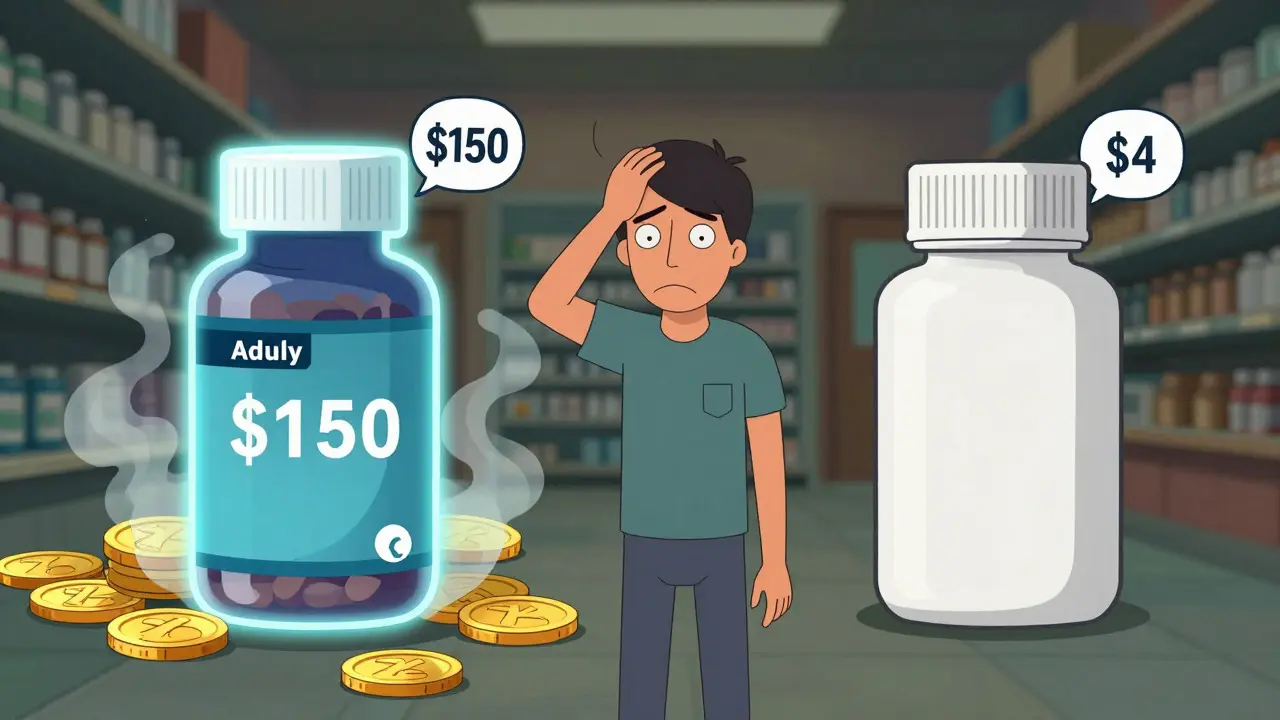
You have probably seen the price tag difference yourself. A brand-name prescription might cost you $150 a month, while the generic version sits at $4. It is an easy choice for your wallet, yet many people still hesitate to make the switch. You are not alone in this hesitation. Despite generic drugs making up 90% of all prescriptions filled in the United States, a significant portion of patients remain skeptical about their effectiveness and safety.
This skepticism often stems from a lack of understanding rather than actual medical evidence. Many patients believe that "cheaper" means "lower quality." Others worry that because the pill looks different or has a different name, it will not work the same way in their body. Research published in PLOS ONE in late 2024 highlighted that nearly half of study participants felt physicians should prescribe more generics, but trust remains a hurdle. The gap between what science says and what patients feel is where healthcare providers need to step in.
The Science Behind Generic Equivalence
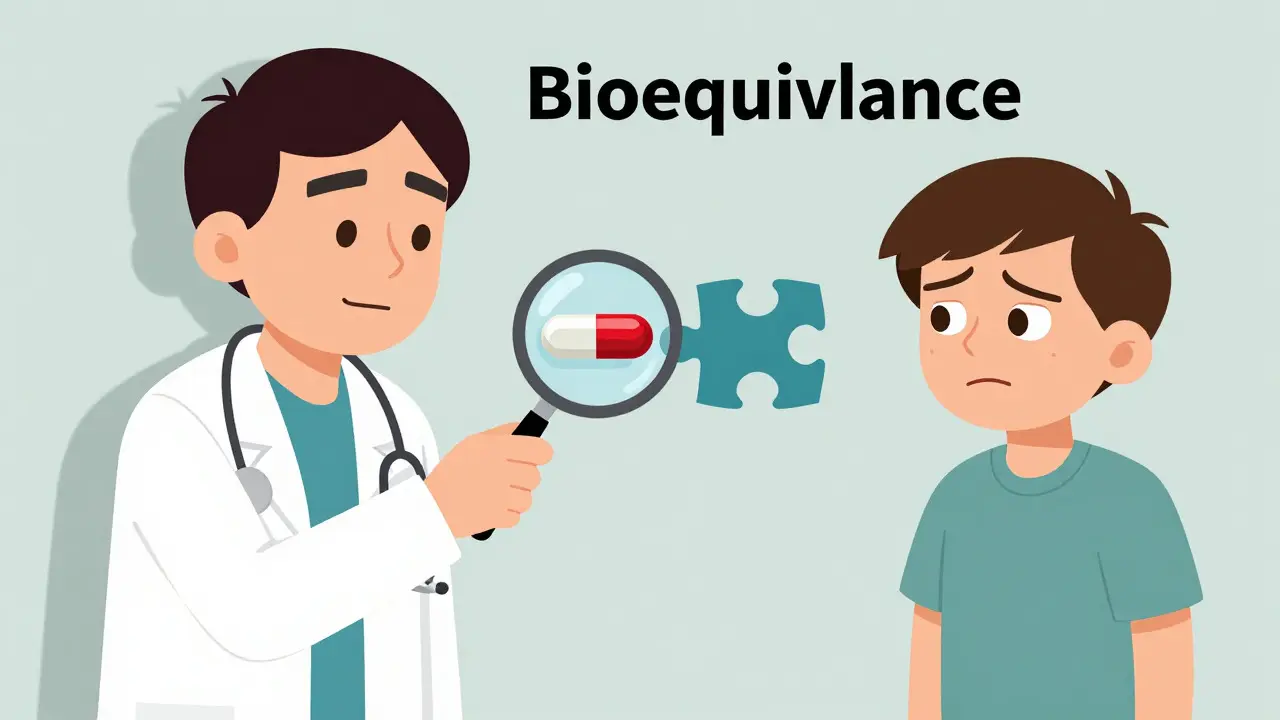
To build confidence, we first need to look at the facts. Generic medications are not inferior copies; they are chemically identical to their brand-name counterparts in terms of active ingredients, dosage, strength, and route of administration. The key concept here is bioequivalence. This is the gold standard used by regulatory bodies like the FDA to ensure that a generic drug performs in the body just like the original brand-name drug.
Bioequivalence is a measure of the rate and extent to which the active ingredient in a generic drug becomes available at the site of action in the body compared to the brand-name reference product. For a generic to be approved, its blood concentration levels (measured as Area Under the Curve or AUC and peak concentration or Cmax) must fall within an 80-125% confidence interval of the brand-name drug. This narrow range ensures therapeutic equivalence.
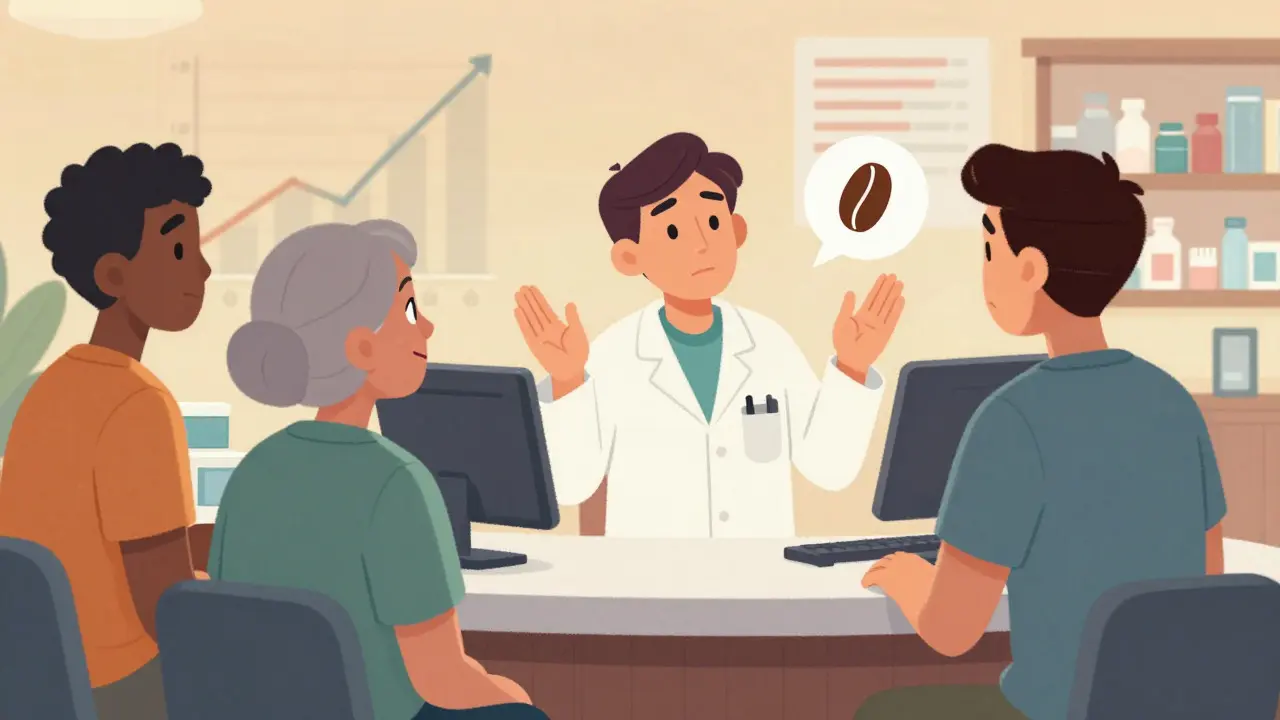
Think of it like buying coffee beans. If two bags contain the exact same type of bean, roasted to the same temperature, ground to the same size, and brewed with the same water ratio, the resulting cup of coffee will taste and function identically, even if one bag costs less due to lower marketing overhead. The active ingredient-the caffeine-is doing the same job. In pharmaceuticals, the inactive ingredients (fillers, dyes) may differ slightly, but they do not affect how the medicine treats your condition.
Who Is Most Skeptical? Understanding Demographic Gaps
Not all patients view generics through the same lens. Trust in generic medications varies significantly based on age, education, income, and race. Understanding these demographics helps providers tailor their conversations effectively.
Research indicates that older adults, particularly those over 60, tend to have higher confidence in generics. A study published in Frontiers in Drug Safety and Regulation found that 71.4% of participants over 60 considered generics safe. Conversely, younger patients and those with lower health literacy scores often express more doubt. For instance, patients with low health literacy were twice as likely to believe generics were less effective or unsafe compared to those with college degrees.
Race and socioeconomic status also play a role. Data shows that non-white patients and those on Medicaid coverage report higher levels of skepticism compared to white patients or those with private insurance. This isn't just about personal preference; it often reflects historical mistrust in healthcare systems or inconsistent access to clear information. When a patient feels unheard or rushed, their confidence in any medication-generic or brand-drops.
The Power of Provider Communication
If the science is solid, why does doubt persist? The answer lies in communication. Studies consistently show that the single biggest factor influencing a patient's acceptance of a generic drug is the explanation provided by their healthcare provider. When a doctor or pharmacist takes the time to explain why a switch is happening and how it works, patient comfort skyrockets.
A landmark NIH survey revealed that 84.7% of patients who received a clear explanation from their pharmacist felt comfortable switching to a generic. In contrast, only 63.2% of patients who received no explanation felt the same way. That 20-point gap is entirely bridgeable with better dialogue.
Effective communication involves three key steps:
- Proactive Disclosure: Never surprise a patient with a generic switch at the pharmacy counter without prior context. Doctors should mention the switch during the visit, framing it as a positive, cost-saving measure that maintains efficacy.
- Simplify the Science: Avoid jargon like "bioequivalence" unless you explain it simply. Use analogies. Tell them, "This pill has the exact same medicine inside as the brand name, just without the expensive logo attached."
- Address Specific Concerns: Ask open-ended questions. "Have you had issues with generics before?" or "What worries you most about trying this new pill?" Listening to their specific fears allows you to debunk myths directly.
Practical Strategies for Healthcare Providers
For doctors, nurses, and pharmacists, building patient confidence requires intentional effort. Here are research-backed strategies to implement in daily practice:
- Dedicate Time for Discussion: Shrank et al. found that just 2-3 minutes of dedicated discussion about generics can significantly improve patient perception. Do not rush this conversation. It is an investment in adherence.
- Assess Health Literacy: Use simple tools like the Newest Vital Sign test to gauge a patient's ability to understand medical information. Tailor your language accordingly. If a patient struggles with complex concepts, use visual aids or written summaries in plain language.
- Leverage Trusted Sources: Patients often distrust information coming solely from the prescriber due to perceived bias. Direct them to authoritative, neutral sources like the FDA’s "Generic Drugs: Questions and Answers" page. Seeing that a government agency vouches for the safety can alleviate anxiety.
- Normalize the Experience: Remind patients that generics are the norm, not the exception. Mentioning that "most Americans take generic drugs" helps reduce the feeling that they are being given a "second-rate" treatment.
Addressing Common Misconceptions
Patients often hold onto specific myths that hinder their willingness to switch. Addressing these head-on is crucial for long-term confidence.
| Misconception | Factual Correction | Provider Response Strategy |
|---|---|---|
| "Generics are weaker or less potent." | Generics must meet strict bioequivalence standards (80-125% CI) ensuring identical therapeutic effect. | Explain that the FDA tests every batch for strength and purity, just like brand names. |
| "The different color/shape means it's a different drug." | Inactive ingredients (dyes, fillers) can vary, but the active medicinal ingredient is identical. | Compare it to store-brand vs. name-brand cereal. Same oats, different box design. |
| "I had side effects with a generic before." | Side effects may stem from inactive ingredients or nocebo effect (expectation of harm). | Validate their experience. Discuss whether the issue was severe and if staying on a specific manufacturer is necessary. |
| "Brand names are safer because they've been around longer." | Generics undergo rigorous post-market surveillance and quality control checks. | Highlight that brand-name patents expire after years of testing; generics benefit from established safety profiles. |
It is also important to acknowledge that rare exceptions exist. Some patients, particularly those on narrow-therapeutic-index drugs (like certain epilepsy or thyroid medications), may experience subtle differences due to variations in inactive ingredients. Acknowledging this nuance builds credibility. It shows you are not blindly pushing generics but carefully considering their individual health needs.
The Role of Pharmacists as Educators
Pharmacists are uniquely positioned to reinforce confidence. They are the last point of contact before a patient takes the medication. Research indicates that when pharmacists actively counsel patients on generic substitutions, adherence rates improve.
However, time constraints in retail settings can lead to rushed interactions. To combat this, pharmacies can implement structured counseling protocols. For example, using a brief checklist to confirm the patient understands the switch, the expected benefits, and potential signs of ineffectiveness. Digital tools, such as SMS reminders or app-based educational content, can also supplement face-to-face advice, providing patients with resources they can review at home.
Furthermore, community awareness initiatives play a vital role. Public health campaigns that highlight the success stories of generic medications-such as saving billions in healthcare costs while maintaining high safety standards-can shift cultural perceptions over time. When patients see generics portrayed positively in media and public discourse, their initial resistance tends to soften.
Looking Ahead: Sustaining Trust
Improving patient confidence in generics is not a one-time fix but an ongoing process. As the healthcare landscape evolves, so too must our communication strategies. With machine learning models now able to predict patient acceptance with over 87% accuracy, providers can increasingly personalize their approaches. Identifying which patients are likely to hesitate allows for preemptive, targeted education.
Ultimately, the goal is shared decision-making. When patients feel informed, respected, and involved in their care choices, they are far more likely to trust the recommendations of their healthcare team. By demystifying generics and emphasizing their proven safety and efficacy, we can ensure that affordable healthcare remains accessible and trusted by all.
Are generic drugs really as safe as brand-name drugs?
Yes. Generic drugs must demonstrate bioequivalence to their brand-name counterparts, meaning they deliver the same amount of active ingredient into the bloodstream within the same timeframe. Regulatory agencies like the FDA enforce strict manufacturing and quality control standards for both generic and brand-name drugs, ensuring identical safety and efficacy profiles.
Why do generic pills look different from brand-name pills?
The difference in appearance comes from inactive ingredients, such as dyes, flavors, or fillers. These components do not affect the therapeutic action of the drug. Brand-name companies protect the unique look of their products through trademark laws, so generic manufacturers must use distinct colors and shapes to avoid confusion, even though the active medicinal ingredient is identical.
Can I ask my doctor to keep me on a brand-name drug?
You can always discuss your preferences with your doctor. While generics are generally recommended for cost savings, some patients may have valid reasons to stay on a brand-name drug, such as sensitivity to specific inactive ingredients or past negative experiences. However, be aware that insurance plans may require higher out-of-pocket costs for brand-name medications without prior authorization.
Do generic drugs have fewer side effects?
Generic drugs have the same side effect profile as their brand-name equivalents because they contain the same active ingredient. Any perceived difference in side effects is usually due to variations in inactive ingredients or the nocebo effect, where expecting a negative outcome causes symptoms. If you experience unusual side effects, consult your healthcare provider to determine the cause.
How much money can I save by switching to generics?
On average, generic drugs cost 80-85% less than brand-name versions. This significant price difference allows patients to afford consistent treatment, improving overall health outcomes. Over time, these savings can add up to hundreds or even thousands of dollars annually, depending on the number of prescriptions filled.