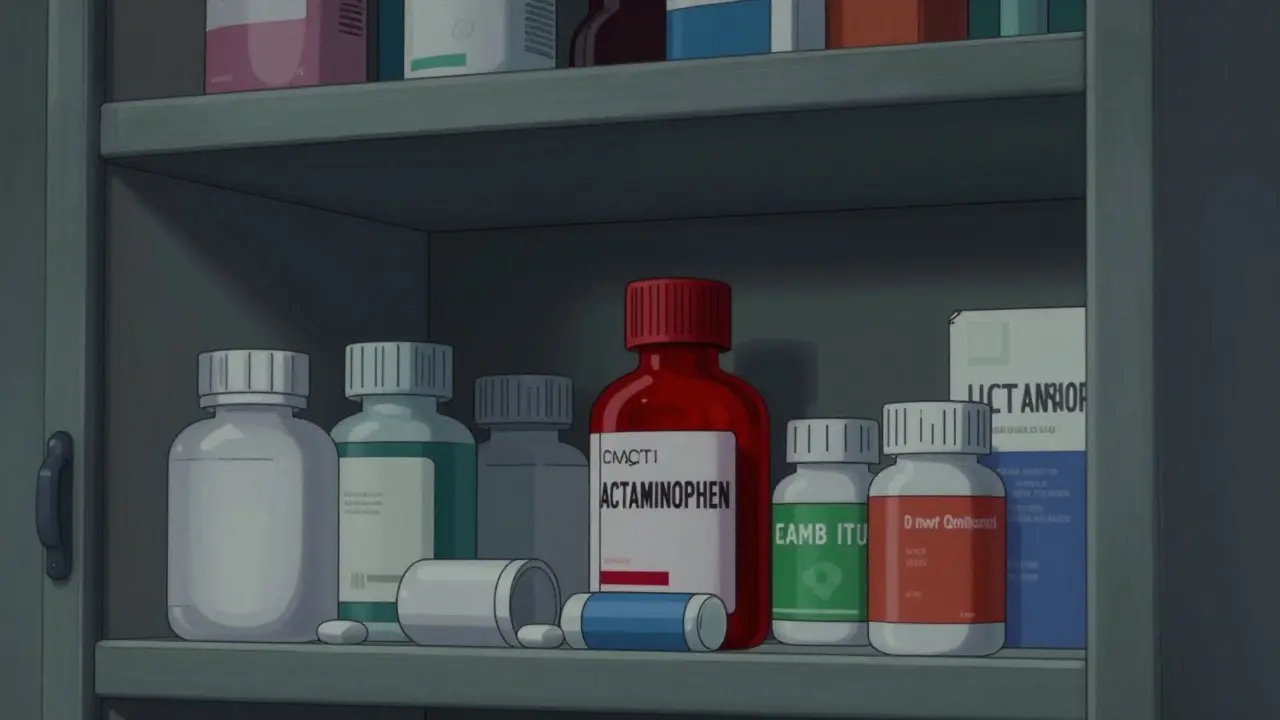
It sits in almost every medicine cabinet in the world. It’s the go-to fix for a headache, a fever, or back pain. But acetaminophen, also known as paracetamol or sold under brand names like Tylenol, carries a hidden danger that many people ignore until it’s too late. While it is safe when used correctly, it is the leading cause of acute liver failure in the United States. The problem isn’t usually intentional misuse; it’s accidental overdose. You might be taking two different cold medicines, not realizing both contain acetaminophen, and quietly pushing your liver past its breaking point.
The stakes are high. According to data from the National Center for Biotechnology Information (NCBI), acetaminophen toxicity leads to over 56,000 emergency department visits and approximately 500 deaths annually in the U.S. alone. It accounts for more than half of all acute liver failure cases in the country. Understanding how this common drug works, where the risks lie, and how to prevent them is not just medical trivia-it’s essential health literacy.
How Acetaminophen Works and Why It Can Be Dangerous
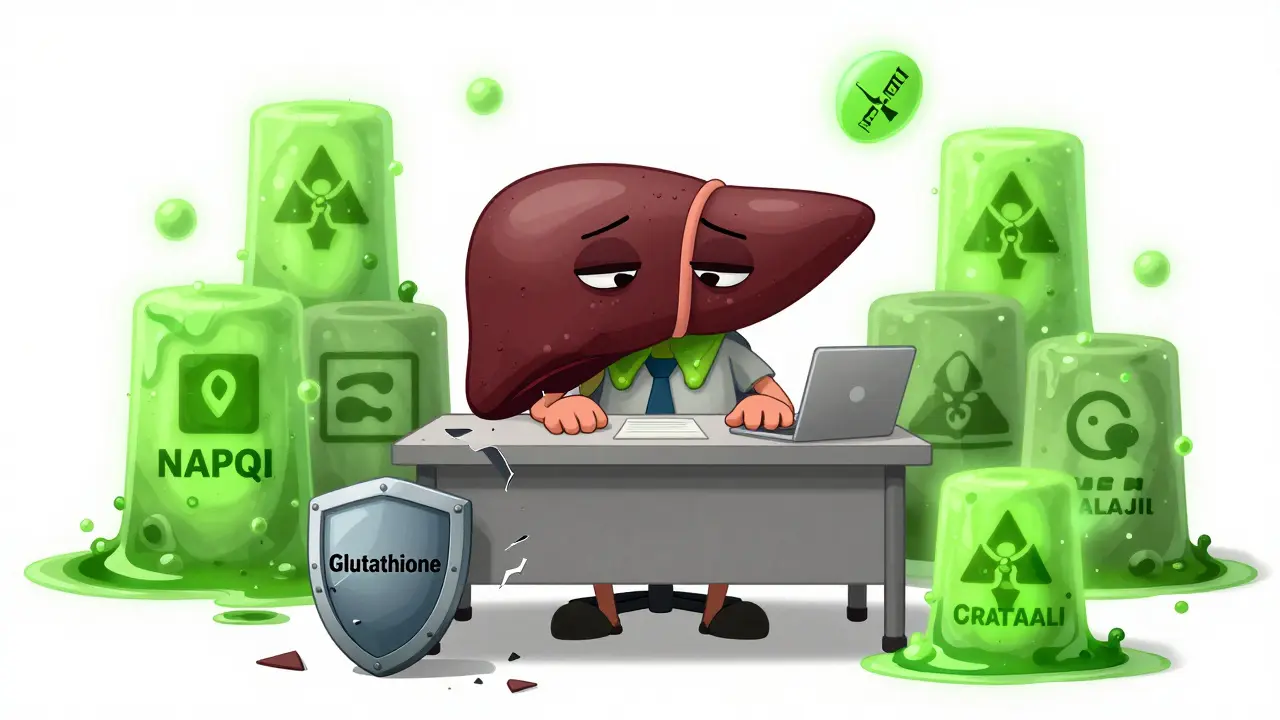
To understand the risk, you have to look at what happens inside your body. When you take acetaminophen, your liver processes it. Most of the drug is broken down safely. However, a small portion turns into a toxic byproduct called N-acetyl-p-benzoquinone imine (NAPQI). In normal doses, your liver neutralizes NAPQI using an antioxidant called glutathione. This is your body’s natural defense system.
The trouble starts when you take too much acetaminophen. Your liver’s metabolic pathways get saturated. It runs out of glutathione. Without this protective buffer, NAPQI builds up and attacks liver cells, causing hepatocellular necrosis-essentially, liver cell death. This process doesn’t happen instantly, which makes it tricky. You might feel fine for hours after taking a dangerous dose, while silent damage begins underneath.
The margin for error is narrower than most people think. The maximum recommended daily dose for adults is precisely 4 grams (equivalent to eight 500mg tablets). Toxicity risk spikes significantly if you exceed 7.5 grams in a single ingestion. For children, the limit is strict: 90 mg per kilogram of body weight per day. Exceeding these numbers overwhelms the liver’s ability to detoxify the drug.
The Four Stages of Acetaminophen Toxicity
If an overdose occurs, the symptoms unfold in four distinct stages. Recognizing these can save lives, especially because the early signs are often dismissed as a stomach bug.
- Stage I (0-24 hours): Symptoms are vague. You might experience nausea (seen in 78% of cases), vomiting, sweating, and general malaise. Crucially, blood tests often look normal during this window, which can lead to false reassurance. Liver enzymes may start rising within 12 hours, but they aren’t always checked yet.
- Stage II (24-72 hours): The initial nausea might fade, giving a deceptive sense of recovery. However, pain develops in the upper right abdomen where the liver sits. Blood tests now show abnormal liver function, with aspartate aminotransferase (AST) and alanine aminotransferase (ALT) levels climbing.
- Stage III (72-96 hours): This is the peak of toxicity. Liver enzyme levels can skyrocket above 10,000 IU/L. Symptoms become severe: jaundice (yellowing of skin and eyes), confusion, bleeding issues due to coagulopathy, and potentially acute renal failure. About 50% of patients with frank liver failure develop kidney problems at this stage.
- Stage IV (After 5 days): The outcome is determined here. With proper treatment, patients recover completely. Without it, or if the damage was too extensive, multi-organ failure sets in. The mortality rate for untreated severe overdoses is between 30% and 40%. Even with treatment, there is a 2-4% mortality risk in severe cases.
Hidden Sources: The Cumulative Dose Trap
The biggest danger with acetaminophen isn’t popping five pills at once. It’s stacking products. The U.S. Food and Drug Administration (FDA) reports that acetaminophen is present in approximately 600 prescription and over-the-counter medications. Think about your last cold season. Did you take a night-time cold syrup? A sinus pill? And maybe some plain Tylenol for the headache?
Studies show that 25% of accidental overdoses happen because patients take multiple acetaminophen-containing products simultaneously without recognizing the cumulative dose. Prescription opioids like Vicodin and Percocet also contain acetaminophen. If you’re managing chronic pain and add OTC painkillers on top, you could easily cross the 4-gram threshold without meaning to.
| Product Type | Example Brand Names | Typical Acetaminophen Content |
|---|---|---|
| Pain Relievers | Tylenol, Panadol | 325mg - 500mg per tablet |
| Cold & Flu Combos | Theraflu, DayQuil/NyQuil | 650mg per dose |
| Prescription Opioids | Vicodin, Percocet | 325mg per tablet (limited by FDA) |
| Sleep Aids | ZzzQuil (some variants) | Varies, check label |
Who Is at Higher Risk?
Not everyone reacts to acetaminophen the same way. Certain groups face higher risks even at lower doses. Regular alcohol consumption is a major factor. Drinking three or more alcoholic beverages daily depletes glutathione stores and induces liver enzymes that produce more toxic NAPQI. This dual hit makes the liver far more vulnerable.
People with pre-existing liver conditions, such as hepatitis or cirrhosis, must be extra cautious. The American Association for the Study of Liver Diseases (AASLD) notes that while acetaminophen can still be used by patients with chronic liver disease, the dose should be reduced to no more than 2 grams per day. Fasting or malnutrition also increases risk, as low glutathione levels leave the liver unprotected.
Children are particularly vulnerable to dosing errors. Using kitchen spoons instead of calibrated measuring devices leads to significant inaccuracies. Teaspoon vs. tablespoon errors account for 12% of pediatric overdoses. Always use the syringe or cup provided with liquid formulations.
Prevention Tips: Protecting Your Liver
Preventing acetaminophen overdose comes down to awareness and discipline. Here are actionable steps to keep you safe:
- Read Every Label: Look for "acetaminophen" or "APAP" on the Drug Facts panel. Don’t assume a product is safe just because it’s labeled "cold medicine" or "sleep aid."
- Stick to the Limit: Never exceed 4,000 mg in 24 hours. Many experts now recommend capping intake at 3,000 mg for added safety, especially if you drink alcohol occasionally.
- Track Your Intake: If you’re taking multiple medications, write them down. Keep a log of when you took each dose. This prevents double-dosing in the heat of the moment.
- Avoid Alcohol: Do not mix acetaminophen with alcohol. Even moderate drinking increases liver stress.
- Use Proper Measuring Tools: For children, never use a kitchen spoon. Use the dosing syringe marked with milliliters (mL).
- Consult a Pharmacist: If you’re unsure whether two drugs interact, ask. Pharmacists can quickly calculate cumulative doses for you.

What to Do If an Overdose Is Suspected
Time is critical. If you suspect an overdose, do not wait for symptoms to appear. Call Poison Control immediately (1-800-222-1222 in the U.S.) or go to the nearest emergency room. The antidote for acetaminophen toxicity is N-acetylcysteine (NAC).
NAC works by replenishing glutathione levels, allowing the liver to neutralize the toxic NAPQI. According to the American Association of Poison Control Centers, 90% of patients treated with NAC within 8 hours of ingestion make a full recovery without liver damage. After 16 hours, the recovery rate drops to 60%. Dr. Anne McKee of Massachusetts General Hospital emphasizes that acetaminophen toxicity is unique because we have a highly effective antidote-if administered promptly.
Doctors use the Rumack-Matthew nomogram to assess risk. This tool plots blood acetaminophen levels against time since ingestion to determine if NAC is needed. New consensus guidelines from America's Poison Centers (2023) standardize this protocol across all U.S. poison control centers, ensuring consistent care.
Alternatives and Future Directions
If you cannot tolerate acetaminophen, nonsteroidal anti-inflammatory drugs (NSAIDs) like ibuprofen or naproxen are alternatives. However, they carry their own risks, including gastrointestinal bleeding and kidney strain. They are not suitable for everyone, particularly those with heart or stomach issues.
The FDA has taken steps to reduce harm, limiting prescription combination products to 325 mg of acetaminophen per tablet. There are ongoing proposals to require larger, bolded text for "acetaminophen" on all labels to improve visibility. Researchers are also exploring new antidotes like fomepizole for cases where NAC is contraindicated. Smartphone apps that scan medication barcodes to calculate cumulative exposure are in development, aiming to help users track their intake digitally.
Acetaminophen remains a vital medication. Its benefit-risk profile is excellent when used correctly. The goal isn’t to ban it, but to educate. By understanding the hidden sources, respecting the dosage limits, and acting fast in emergencies, you can protect your liver and stay safe.
How much acetaminophen is too much?
For adults, the maximum safe daily dose is 4,000 mg (4 grams). Taking more than 7.5 grams in a single ingestion poses a severe risk of liver damage. For children, the limit is 90 mg per kilogram of body weight per day. Always follow package instructions and consult a doctor for personalized advice.
Can you drink alcohol while taking acetaminophen?
It is strongly advised to avoid alcohol while taking acetaminophen. Alcohol depletes glutathione, the liver’s natural defense against acetaminophen’s toxic byproducts. Consuming three or more drinks daily significantly increases the risk of liver injury, even at therapeutic doses.
What are the first signs of acetaminophen overdose?
In the first 24 hours, symptoms are often mild and nonspecific, including nausea, vomiting, sweating, and fatigue. These signs can be mistaken for a stomach virus. More severe symptoms like abdominal pain and jaundice typically appear 24 to 72 hours later. Do not wait for symptoms; seek help immediately if an overdose is suspected.
Is there an antidote for acetaminophen overdose?
Yes, N-acetylcysteine (NAC) is the standard antidote. It is most effective when given within 8 hours of ingestion, with a 90% recovery rate in these cases. Treatment involves replenishing glutathione to neutralize the toxic metabolite NAPQI. Intravenous NAC is the preferred method in hospital settings.
Does Tylenol cause liver damage?
At recommended doses, Tylenol (acetaminophen) is safe for the liver. However, it is the leading cause of acute liver failure in the U.S. when misused or overdosed. The risk comes from exceeding the 4-gram daily limit or combining multiple products containing acetaminophen without realizing the total dose.