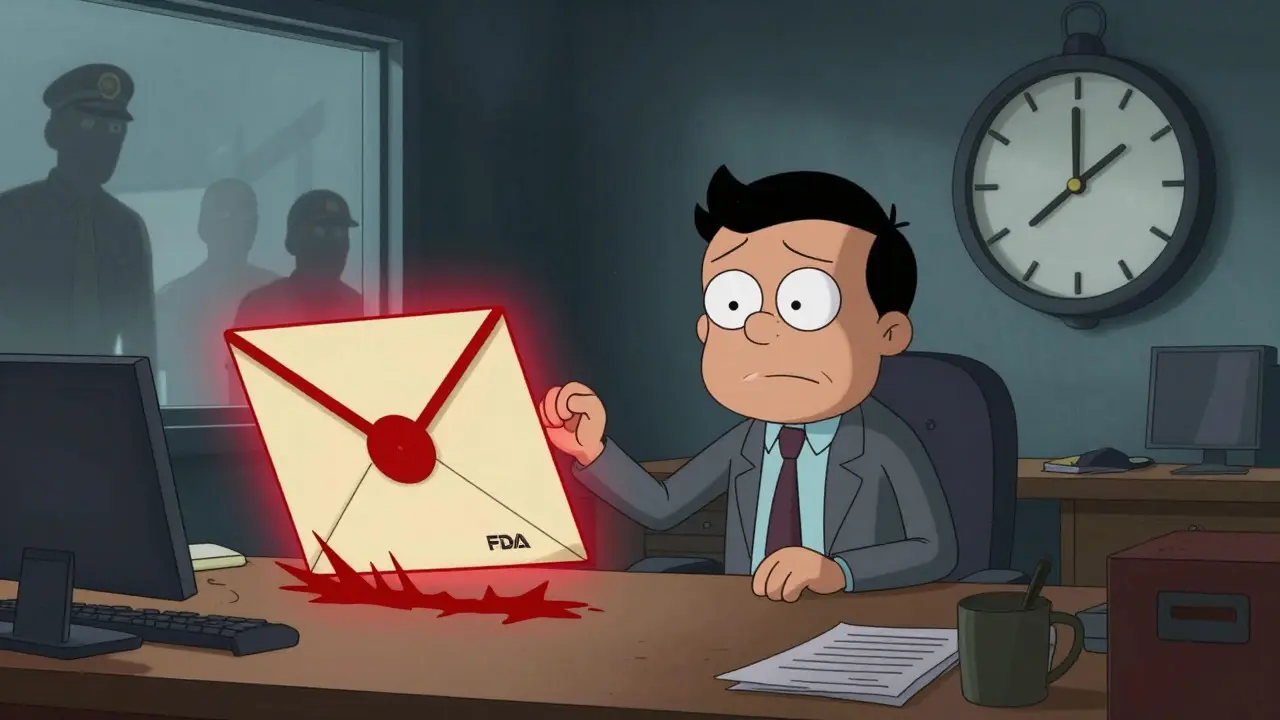
Imagine your product is sitting at a U.S. port, or worse, already on the shelf, when a letter arrives from the Food and Drug Administration (FDA) stating you are violating federal law.
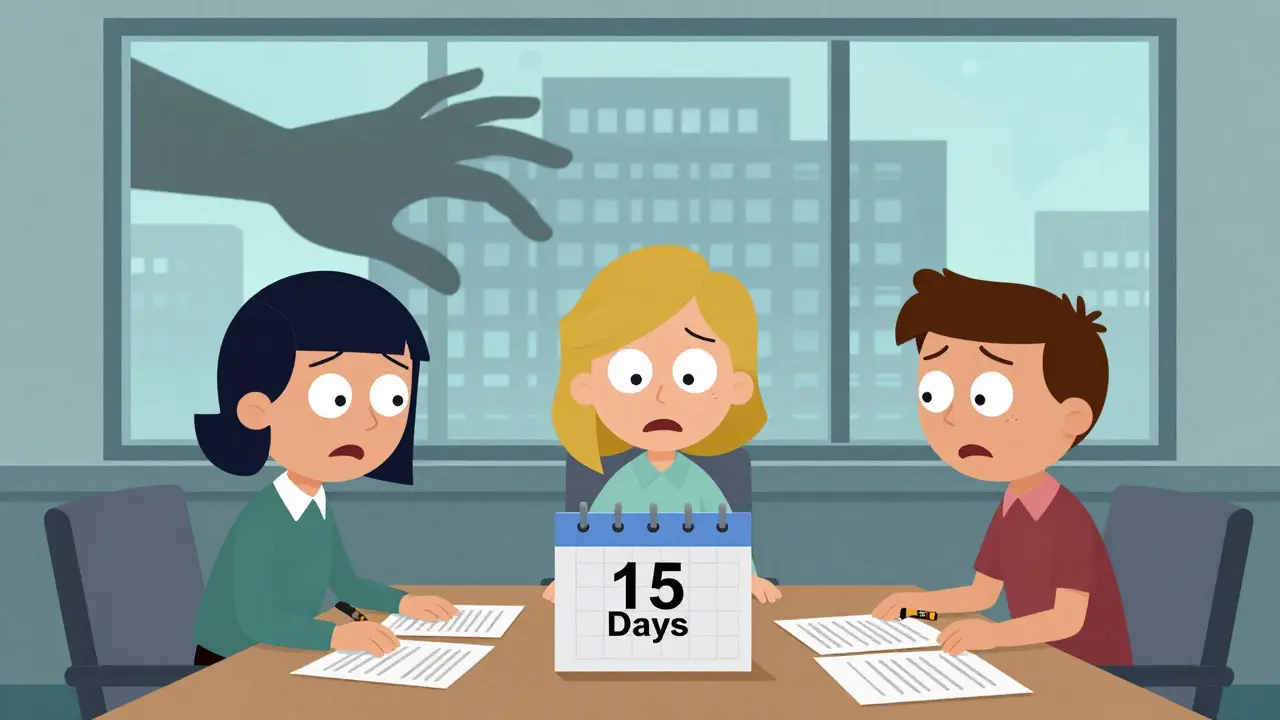
This isn't just bad news; it is a ticking clock. For manufacturers of food, drugs, biologics, and tobacco, an FDA Warning Letter is a formal notice of violation that requires a response within 15 business days to avoid escalated legal action. It is not merely a suggestion to improve. It is a legal signal that the agency has identified significant breaches of the Federal Food, Drug, and Cosmetic Act (FDCA) and is preparing for heavier penalties if you do not fix them immediately.
In 2026, the landscape has shifted dramatically. Under Commissioner Robert Califf, the FDA has returned to an aggressive enforcement model reminiscent of the 1990s. The days of ignoring minor infractions are over. If you are manufacturing goods regulated by the FDA, understanding exactly what triggers these warnings and how to respond is no longer optional-it is survival.
The Anatomy of an FDA Warning Letter
Not every piece of mail from the FDA carries the same weight. You need to know the difference between a gentle nudge and a slap on the wrist.
A Warning Letter is reserved for violations of "regulatory significance." These are serious issues that pose risks to public health or indicate systemic failure in quality control. When you receive one, the letter will detail specific violations-perhaps a failure to follow Current Good Manufacturing Practices (cGMP) or misbranding claims on your website.
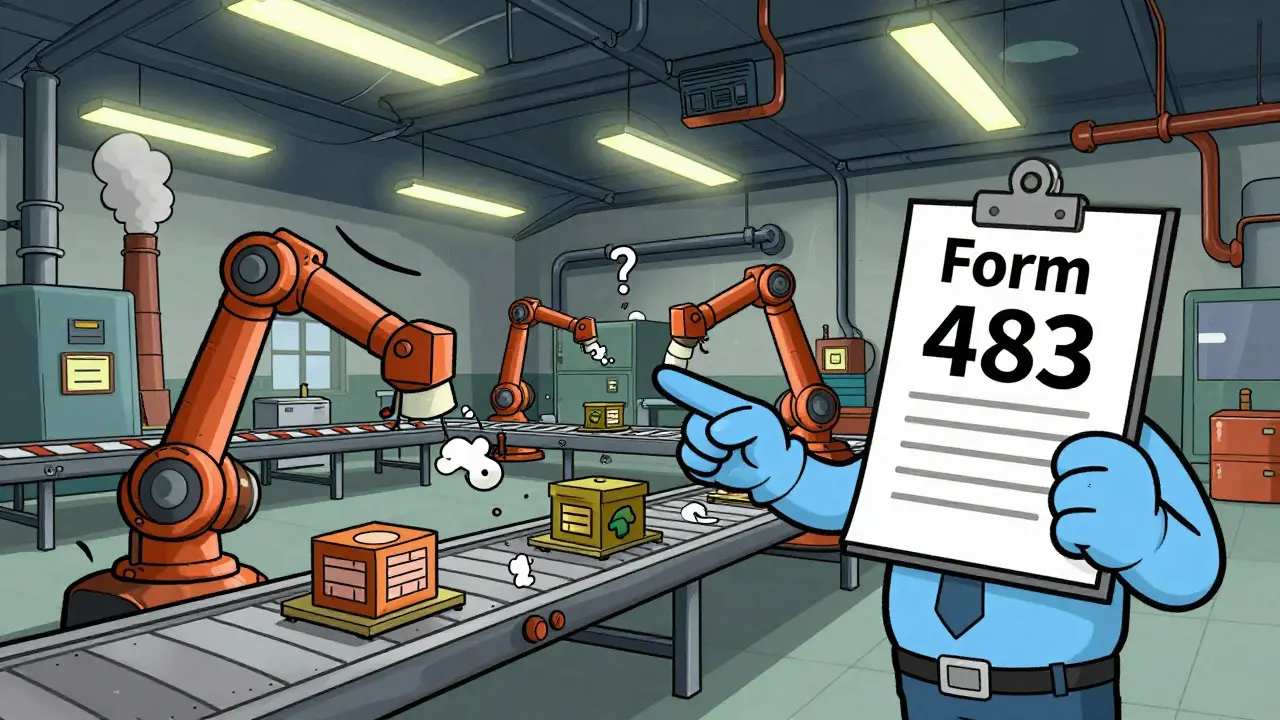
Contrast this with an Untitled Letter. This is used for less severe violations. While still concerning, it lacks the formal designation of a "Warning," signaling that while you need to correct the issue, the agency views the risk as lower. Then there is FDA Form 483, which inspectors hand to you during a facility visit. This lists observations of potential violations. It is not a final determination, but if you ignore it, it often evolves into a Warning Letter.
The key distinction lies in the deadline. A Warning Letter demands a written response within 15 business days. Untitled letters may have different timelines, but the pressure to act remains high across the board.
Who Is Getting Hit Hardest in 2026?
Enforcement is not random. The FDA targets sectors where consumer risk is highest or where market chaos is rampant. In 2025 and moving into 2026, three areas saw explosive growth in enforcement actions:
- Tobacco Products: The FDA issued over 700 warning letters targeting firms selling new tobacco products without marketing authorization. This includes unauthorized Electronic Nicotine Delivery Systems (ENDS) popular with youth. If you are in this space without approval, you are likely already under scrutiny.
- Compounded Pharmaceuticals: With the boom in GLP-1 medications like semaglutide, compounding pharmacies faced intense heat. Approximately 58 warning letters were issued in early 2025 alone to telehealth companies and compounders for misbranding these drugs. Claims suggesting equivalence to brand-name drugs triggered violations under Sections 502(a) and 502(bb) of the FDCA.
- Food Manufacturing: In 2024, the FDA sent 149 warning letters to human food facilities for failing to meet Preventive Controls requirements under the Food Safety Modernization Act (FSMA). The focus has shifted from basic hygiene to complex risk-based preventive controls.
If you operate in any of these verticals, assume the FDA is watching. The agency has explicitly stated its intent to increase oversight, particularly regarding digital marketing channels where misleading claims spread quickly.
The Escalation Ladder: From Warnings to Criminal Penalties
A Warning Letter is rarely the end of the road; it is usually the beginning of a legal journey. The FDA’s enforcement toolkit is tiered, designed to escalate pressure until compliance is achieved.
| Action Type | Severity Level | Typical Consequence |
|---|---|---|
| FDA Form 483 | Low/Medium | Inspector notes observations; requires corrective plan. |
| Untitled Letter | Medium | Formal notice of minor violations; correction expected. |
| Warning Letter | High | Formal violation notice; 15-day response window required. |
| Civil Monetary Penalties (CMPs) | Very High | Fines ranging from $10,000 to $1 million per violation. |
| Import Detention (DWPE) | High | Products held at ports; refusal of entry possible. |
| Withdrawal of Approval | Critical | Complete removal of product authorization from market. |
If your response to a Warning Letter is deemed inadequate, the FDA can impose Civil Monetary Penalties. Under 21 U.S.C. § 333(f), fines can reach up to $1 million per violation. For importers, the stakes are immediate: products can be detained without physical examination (DWPE), effectively blocking your supply chain into the U.S. market. In extreme cases involving obstruction or criminal negligence, the FDA can pursue criminal penalties under Section 303(f) of the FDCA.
How to Respond: The 15-Day Emergency Protocol
Receiving a Warning Letter should trigger a de facto regulatory emergency. Legal experts at Ropes Gray LLP advise treating it as such. Here is how top-tier manufacturers handle the first two weeks:
- Assemble a Cross-Functional Team: Do not let regulatory affairs handle this alone. Bring in Quality Assurance, Legal Counsel, and Executive Leadership immediately. The tone of recent letters, now signed by CDER or CBER Directors rather than lower-level officials, signals that the agency expects executive attention.
- Analyze Every Allegation: Break down the letter point by point. Identify whether the violation is factual (e.g., a missing record) or interpretive (e.g., a disagreement on labeling standards). Factual errors must be corrected instantly.
- Draft a Corrective Action Plan (CAP): Your response must outline specific steps taken to fix the issue and prevent recurrence. Vague promises like "we will try harder" are rejected. Instead, provide concrete measures: "We have retrained all staff on cGMP protocols effective [Date]" or "We have updated our Hazard Analysis and Risk-Based Preventive Controls (HARPC) plan."
- Submit Within Deadline: Missing the 15-business-day window is an admission of guilt. If you need more time, request an extension formally before the deadline expires, though approvals are rare.
Remember, the FDA checks your corrections. They will follow up to ensure your CAP was implemented. If they find you lied or failed to act, the next step is almost certainly financial penalties or product seizure.
New Frontiers: Foreign Inspections and Digital Compliance
The rules of engagement changed significantly in mid-2025. The FDA announced a 300% increase in unannounced inspections of foreign manufacturing facilities. This move, highlighted by McGuireWoods attorneys, turns the tables on overseas producers who previously relied on scheduled visits to prepare.
If your factory is outside the U.S., expect inspectors to show up without warning. Failure to cooperate-such as redacting records or denying access-can lead to criminal charges under Section 303(f). The message is clear: transparency is mandatory, regardless of location.
Domestically, the crackdown on digital marketing is intensifying. Telehealth companies and online retailers are receiving Warning Letters for social media posts and website content that misbrand compounded drugs. The FDA’s Office of Prescription Drug Promotion (OPDP) is no longer issuing soft "Untitled Letters" for these offenses; they are going straight for the jugular with formal Warning Letters. If your marketing team makes claims about efficacy without FDA-approved data, you are exposing your company to significant liability.
Preparing for the Future: Proactive Compliance
Waiting for a letter is a losing strategy. The most successful manufacturers build compliance into their daily operations. This means regularly auditing your processes against current cGMP standards and FSMA requirements. It means training your marketing teams on the nuances of drug labeling laws. And it means staying informed about FDA policy shifts, such as the increased budget allocation for enforcement activities in Fiscal Year 2026.
The FDA’s goal is voluntary compliance. They prefer to guide you back onto the right path rather than punish you. But as Commissioner Califf’s administration has shown, patience is thin. By treating regulatory requirements as core business priorities rather than bureaucratic hurdles, you protect your reputation, your revenue, and most importantly, your customers.
What happens if I ignore an FDA Warning Letter?
Ignoring a Warning Letter leads to escalated enforcement actions. The FDA may impose Civil Monetary Penalties (fines up to $1 million per violation), seize products, detain imports at ports, or withdraw product approvals. In severe cases, criminal prosecution under the FDCA is possible.
How long do I have to respond to a Warning Letter?
You typically have 15 business days to submit a written response detailing your corrective actions. Missing this deadline signals non-compliance and accelerates further legal action.
What is the difference between a Warning Letter and an Untitled Letter?
A Warning Letter addresses violations of "regulatory significance" and requires a formal 15-day response. An Untitled Letter addresses less severe violations and serves as a advisory notice, though it still requires correction.
Are foreign manufacturers subject to the same enforcement actions?
Yes. In 2025-2026, the FDA increased unannounced inspections of foreign facilities by 300%. Violations can lead to Import Alerts, detention of goods without physical examination, and criminal penalties for obstructing inspections.
Which industries face the most FDA warnings in 2026?
Tobacco products (especially unauthorized ENDS), compounded pharmaceuticals (particularly GLP-1 drugs), and food manufacturers failing to meet FSMA Preventive Controls are currently facing the highest volume of enforcement actions.