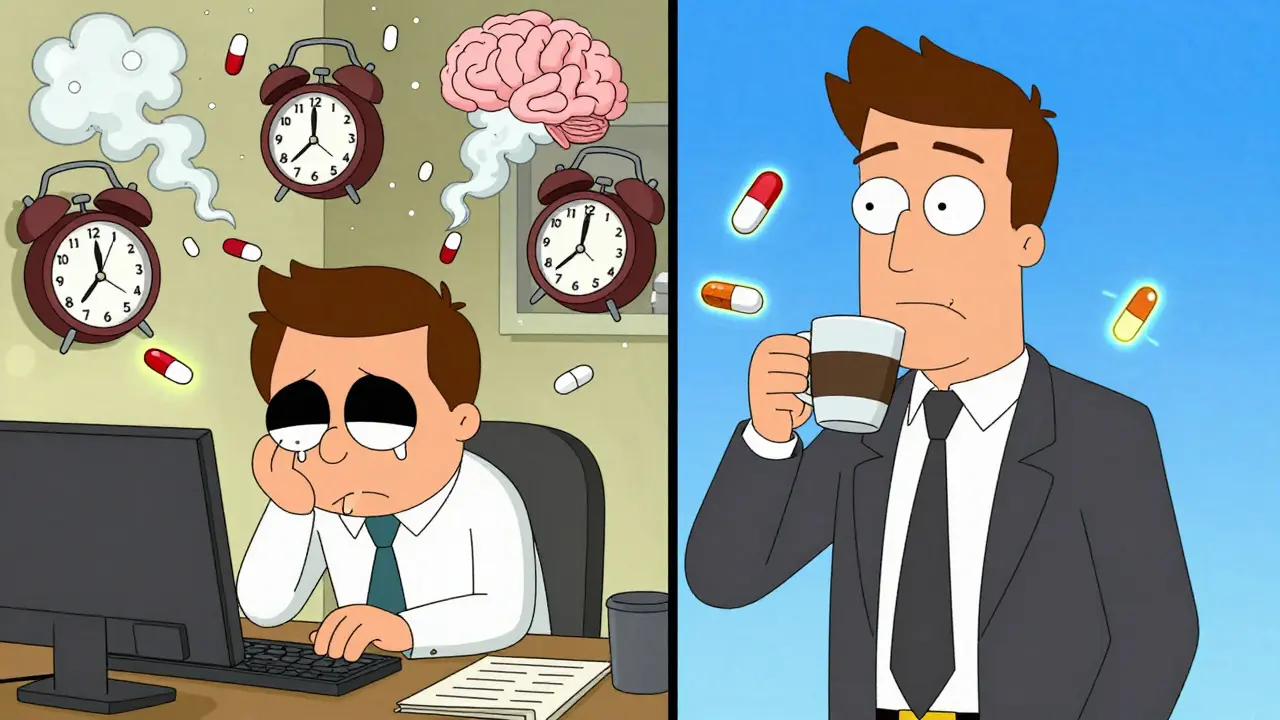
When your nose starts running, your eyes itch, or you break out in hives, antihistamines are often the first thing you reach for. But not all antihistamines are the same. Two main types exist - first-generation and second-generation - and choosing the wrong one can leave you groggy, ineffective, or even at risk. If you’ve ever taken Benadryl for allergies only to crash on the couch, or tried Zyrtec and wondered why it didn’t work fast enough, you’re not alone. The difference between these two classes isn’t just about brand names or price. It’s about how they work in your body, what side effects you’ll feel, and which one actually fits your life.
How Antihistamines Work
Allergies happen when your body overreacts to harmless things like pollen, dust, or pet dander. It releases histamine - a chemical that triggers swelling, itching, runny nose, and watery eyes. Antihistamines block histamine from binding to H-1 receptors, stopping those symptoms before they start. Simple enough. But here’s the catch: not all antihistamines are built the same. The first-generation ones, developed in the 1940s, were designed to block histamine but didn’t know how to avoid your brain. The second-generation versions, introduced in the 1980s, were engineered to do the job without crossing into your central nervous system. That tiny difference changes everything.
First-Generation Antihistamines: Fast, But Foggy
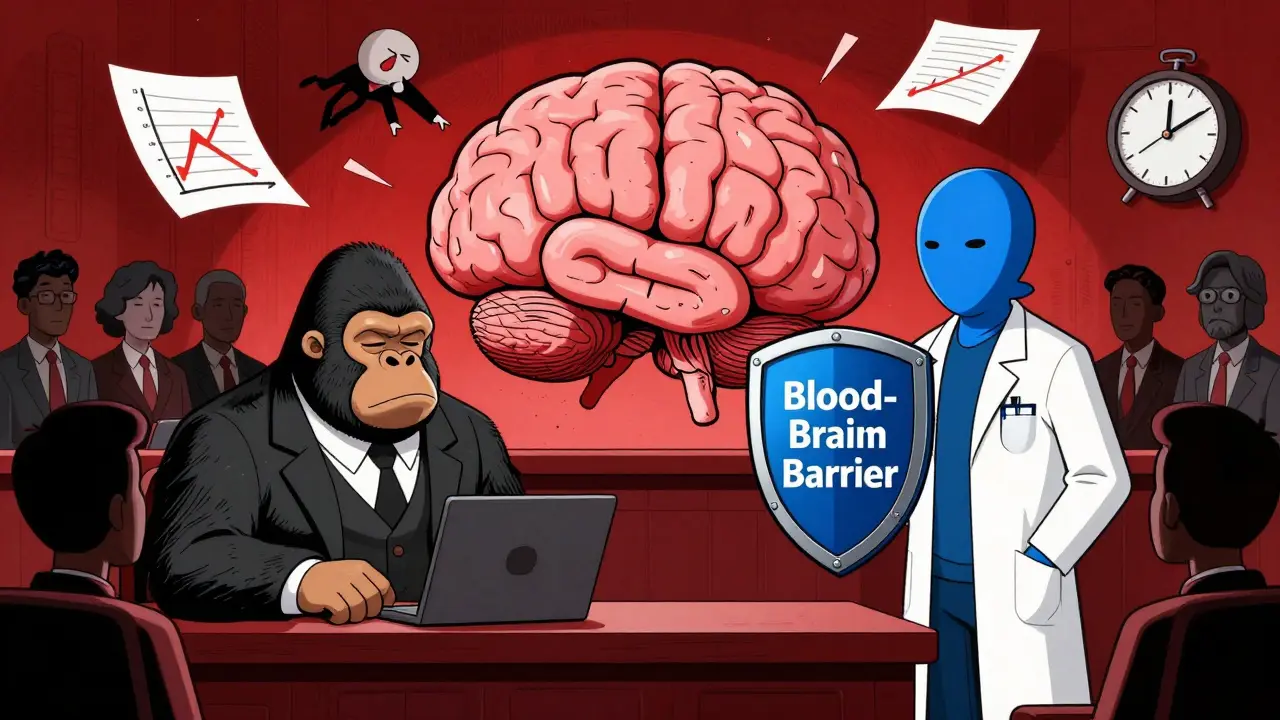
Think Benadryl, Chlor-Trimeton, or Phenergan. These are the old-school options still found in many medicine cabinets. They work fast - often within 30 minutes - which makes them great for sudden flare-ups. If you get stung by a bee or your face swells up after eating peanuts, a first-gen antihistamine can help. They’re also used off-label for motion sickness and as sleep aids because they cross the blood-brain barrier easily. That’s why you feel so sleepy. In fact, 50-60% of people who take them report noticeable drowsiness. For some, that’s a benefit. For most working adults, it’s a dealbreaker.
These drugs also cause dry mouth, blurred vision, constipation, and trouble urinating - especially in older adults. A 2022 study from the Cleveland Clinic found that long-term use in people over 65 was linked to cognitive decline similar to low-dose benzodiazepines. And because they break down quickly, you need to take them every 4-6 hours. That means three or four doses a day just to keep symptoms under control. It’s no wonder compliance drops to 60%.
On the plus side, they’re cheap. A bottle of 100 generic diphenhydramine tablets costs $4-$6. That’s why they still dominate over-the-counter cold and flu combos. But if you’re using them daily for allergies, the trade-offs aren’t worth it.
Second-Generation Antihistamines: Longer Lasting, Less Drowsy
Loratadine (Claritin), cetirizine (Zyrtec), and fexofenadine (Allegra) are the modern standard. These were created specifically to avoid the brain. Their molecular structure is either too polar or they’re pushed out of the brain by transporters - so they don’t cause sedation in most people. Only 10-15% of users report drowsiness, even at full doses. That’s why they’re the go-to for kids in school, office workers, and drivers.
They last longer, too. One dose gives you 12-24 hours of relief. That means once-a-day dosing. Compliance jumps to 85% because it’s easy to remember. And while they take longer to kick in - 1 to 3 hours instead of 30 minutes - they’re more effective over time. A 2022 meta-analysis in the Journal of Allergy and Clinical Immunology found second-gen antihistamines reduced nasal symptoms by 60-70%, compared to 50-60% for first-gen.
They’re not perfect, though. They don’t touch nasal congestion very well. That’s why many people end up pairing them with a decongestant. Newer combo pills like fexofenadine/pseudoephedrine are now hitting the market to fix that gap. Also, they’re pricier. Generic cetirizine runs $10-$15 for 30 tablets. Brand names like Zyrtec can cost over $25. But if you’re using them daily, the cost is often offset by fewer missed workdays and better sleep quality.
Which One Is Better for You?
There’s no single answer. It depends on your life, your symptoms, and your body.
- If you need fast relief for a sudden reaction - like an insect bite or hives - a first-gen antihistamine makes sense. Keep it on hand.
- If you have chronic allergies - runny nose, itchy eyes, sneezing every spring - second-gen is the clear winner. You’ll feel better, stay alert, and take fewer pills.
- If you struggle with sleep because of allergies, some people swear by diphenhydramine at night. But if you’re over 60, talk to your doctor first. The cognitive risks add up.
- If you’re driving, operating machinery, or working, avoid first-gen. Even if you think you’re fine, studies show reaction times drop by 25%.
Among second-gen options, there are subtle differences. Cetirizine (Zyrtec) works better for itchy eyes and skin rashes. Fexofenadine (Allegra) is gentler on the stomach and doesn’t interact with grapefruit juice. Loratadine (Claritin) is the mildest - least likely to cause drowsiness, even at higher doses. If you’ve tried one and it didn’t work, try another. They’re not all the same.
What Experts Say
Dr. David Stukus from Nationwide Children’s Hospital says second-generation antihistamines should be first-line for most people with chronic allergies. The American Academy of Allergy, Asthma & Immunology backs this up - over 70% of prescriptions in 2023 were for second-gen drugs. But experts also agree they’re not one-size-fits-all.
Dr. Robert Wood from Johns Hopkins points out first-gen antihistamines still have a place: motion sickness, acute urticaria, and as a sleep aid for those with severe allergy-related insomnia. Dr. Linda Cox, former president of the American College of Allergy, adds that for some patients, the drowsiness isn’t a bug - it’s a feature.
Still, the warning from Dr. Pieter Cohen at Harvard is clear: chronic use of first-gen antihistamines in older adults is a hidden risk. It’s not just tiredness - it’s memory loss, confusion, and increased fall risk.
User Experiences: Real Stories
On Reddit’s r/Allergies, 68% of users say they switched from Benadryl to Zyrtec or Claritin because they couldn’t function at work. One user wrote: “I used to nap after lunch. Now I’m awake and focused. No more brain fog.”
On Drugs.com, 52% of users who take diphenhydramine at night say it gives them better sleep than melatonin. But they’re careful - they only take it before bed.
Amazon reviews show second-gen products average 4.2 stars. The top praise? “Non-drowsy.” The top complaint? “Didn’t work fast enough.” That’s because people expect instant results. Second-gen antihistamines need time. If you take them only when symptoms hit, you’ll be disappointed. Take them daily during allergy season - even if you feel fine.
What You Need to Know Before You Buy
- “Non-drowsy” doesn’t mean zero drowsiness. High doses of second-gen antihistamines can still cause sleepiness in 20% of people.
- Don’t mix them with alcohol. Even second-gen drugs can amplify sedation when combined with alcohol or other depressants.
- Check for drug interactions. First-gen antihistamines can interfere with antidepressants, sleep aids, and pain meds. Second-gen are safer, but fexofenadine doesn’t mix well with apple or orange juice.
- Start early. If you know pollen season is coming, begin taking your antihistamine 1-2 weeks before symptoms start. Prevention beats reaction.
Future Trends
The market is shifting fast. Second-gen antihistamines now make up 75% of all prescriptions in the U.S. New drugs like bilastine (not yet approved in the U.S.) show even better congestion relief. And third-gen options - like levocetirizine and desloratadine - are gaining ground. Desloratadine prescriptions rose 12% in early 2024.
Combination therapies are the next big thing. Allergy sufferers don’t just need antihistamines - they need relief from congestion too. New extended-release pills that pair antihistamines with decongestants are becoming common in pharmacies.
Meanwhile, first-gen antihistamines aren’t disappearing. They’re just becoming more niche. Used for sleep, motion sickness, or emergency reactions. Not daily maintenance.
Final Thoughts
If you’re using antihistamines regularly, you deserve better than guesswork. Second-generation options are safer, more effective, and more convenient for most people. They’re not magic - they don’t fix congestion alone, and they take time to work. But if you’re taking them for allergies, not sleep, they’re the smarter choice.
Keep first-gen antihistamines on hand for emergencies. But for daily relief? Go second-gen. Your brain - and your job - will thank you.
Can I take first-generation antihistamines every day?
It’s not recommended for daily use, especially if you’re over 60 or have other health conditions. First-generation antihistamines like diphenhydramine can cause long-term cognitive decline, dry mouth, urinary retention, and increased fall risk. They’re better suited for short-term use, like during a sudden allergy attack or as a nighttime sleep aid. For daily allergy control, second-generation antihistamines are safer and more effective.
Which second-generation antihistamine is the strongest?
Cetirizine (Zyrtec) is generally considered the most potent among second-generation antihistamines. Studies show it provides 15-20% greater symptom relief than loratadine (Claritin) in moderate-to-severe allergic rhinitis, especially for itchy eyes and skin. Fexofenadine (Allegra) is less likely to cause drowsiness but slightly less effective for eye symptoms. Loratadine is the mildest overall. The best choice depends on your symptoms and tolerance.
Do second-generation antihistamines work for congestion?
Not very well on their own. Second-generation antihistamines are excellent for sneezing, itching, and runny nose - but they don’t do much for nasal congestion. That’s why many people need to combine them with a decongestant like pseudoephedrine. New combination pills, like fexofenadine/pseudoephedrine, are now available to address this gap. If congestion is your main issue, talk to your pharmacist about combo options.
Why do some people still use Benadryl if it makes them sleepy?
Because for some, the drowsiness is useful. Benadryl is commonly used as a sleep aid for people whose allergies keep them awake at night. It’s also effective for acute reactions - like hives or insect stings - where fast action matters more than side effects. Some people simply can’t afford second-gen options. But for daily use, especially for work or school, the side effects outweigh the benefits.
Is it safe to take antihistamines long-term?
Second-generation antihistamines like cetirizine, loratadine, and fexofenadine are considered safe for long-term use. Studies show no significant risk to liver, heart, or cognitive function at standard doses. First-generation antihistamines, however, carry risks with prolonged use - especially in older adults. They’ve been linked to dementia-like symptoms and increased fall risk. If you’re taking antihistamines daily for years, switch to a second-gen option and consult your doctor.
For ongoing support, consider using the American College of Allergy, Asthma, and Immunology’s ‘Allergy Relief’ app. It helps track symptoms, set dosing reminders, and find local allergists. Most users who track their symptoms for 30 days report better control - and fewer surprises.
Second-gen all the way. I take loratadine daily and never even think about it. No drowsiness, no fuss. Benadryl? That’s for emergencies only.
Bro u just dont get it lol... first gen is like the OGs man... like why u always want new shit?? I take diphenhydramine every night and i sleep like a baby... ur body gets used to it... its not a bug its a feature 😴🫡
Oh so now we're told second-gen is 'safe'? Hah! Did you know the FDA quietly flagged cetirizine in 2021 for potential QT prolongation? They just didn't publicize it because Big Pharma owns the board. And don't get me started on how they're testing these drugs on college kids with no pre-existing conditions. Wake up. They're just swapping one slow poison for another. The real solution? Stop eating processed food and get outside. But nooo, let's just pop pills and call it a day.
I live in India and we still use promethazine like it's candy. My grandma takes it for colds, my uncle for motion sickness, my cousin for anxiety. It's cheap, it's everywhere. Second-gen? Too expensive. Too 'western'. We don't need your fancy algorithms telling us what's 'better'. We know our bodies. And sometimes, a little drowsiness means you're finally resting. 🤷♂️
I switched from Benadryl to Zyrtec last year and my life changed. I used to nap after lunch like clockwork. Now I'm actually productive. Also, I didn't know fexofenadine doesn't mix with orange juice?? That's wild. I'm gonna check my meds right now lol
First-gen is literally the only thing that works for my hives. Zyrtec? Pfft. Took 3 hours and barely touched it. Benadryl? Gone in 20 mins. And yes I'm tired. So what? I'd rather be tired than covered in welts. Stop being so sensitive. Sometimes you gotta pay the price. Also, who the hell wrote this article? Sounds like a pharma rep.
Let’s be real - the entire ‘second-gen is better’ narrative is built on corporate marketing. They didn’t improve the drugs. They just made them patentable. First-gen works better for acute reactions. Period. And yes, the drowsiness? That’s your body saying ‘I’m detoxing’. You think your brain doesn’t need a break? Nah. You just want to be productive 24/7. Wake up. You’re not a machine.
As a medical professional from New Delhi, I must emphasize that the cultural context of antihistamine use cannot be ignored. In India, first-generation agents remain the cornerstone of primary care due to accessibility, affordability, and familiarity. The Western bias toward 'non-drowsy' formulations often overlooks the fact that for many, sedation is not a side effect - it is a therapeutic outcome. We must not universalize medical paradigms without acknowledging socioeconomic realities.
My kid has seasonal allergies and we tried everything. Zyrtec worked. Claritin didn't. Benadryl made him hyper then crash. Point is: try different ones. No one size fits all. Also, start before allergy season. Game changer.
Why are we even debating this? The answer is simple: use what works. I take Benadryl at night, Zyrtec in the morning. Done. No drama. No ideology. Just results. Stop overthinking. Your body knows.
The assertion that second-generation antihistamines are universally safer for long-term use is not empirically substantiated. Longitudinal cohort studies remain limited, and confounding variables - including polypharmacy and comorbid conditions - have not been adequately controlled. One must exercise extreme caution before endorsing any pharmaceutical intervention as 'safe' without independent peer-reviewed meta-analysis.
I used to think I was just tired all the time because I was lazy. Then I switched from Benadryl to Allegra and realized I hadn’t slept a full night in years. My skin stopped itching, my brain stopped fogging, and I started noticing birds singing in the morning. I didn’t even know I was missing that. I cried the first day I didn’t need a nap after lunch. It’s not just about allergies. It’s about being present in your own life.
Western medicine is obsessed with 'efficiency' and 'productivity'. In India, we understand that rest is sacred. Drowsiness isn't a flaw - it's a signal. Your body is telling you to slow down. Why do you think Ayurveda has used ashwagandha and turmeric for centuries? Because healing isn't about being awake 24/7. It's about harmony. Stop chasing 'non-drowsy' pills. Start listening.
My dad took Benadryl every night for 20 years. He got diagnosed with early dementia last year. The doctor said it was likely a major contributor. I didn’t know. No one told us. If this post saves one person’s brain, it’s worth it. Please, if you’re over 50 and using first-gen daily - talk to your doctor. Seriously.
Just took my Zyrtec and now I’m chillin’ with my cat 🐱☀️ honestly though… I used to be a Benadryl junkie. Now I’m just… awake. Like, actually awake. And yeah I paid more for it. But my productivity? My mood? My relationships? Worth every penny. Also, I don’t hate you if you still use Benadryl. I just miss the old me.