
Imagine the itch is so intense it keeps you awake at night, yet your skin looks perfectly fine. No rash, no hives, just a relentless urge to scratch that feels like it’s coming from deep inside your bones. This is the reality for thousands of people living with cholestatic pruritus, which is itching caused by impaired bile flow due to liver diseases such as primary biliary cholangitis or primary sclerosing cholangitis. It is not just a nuisance; it can severely impact sleep, mental health, and quality of life. For decades, doctors relied on a gritty powder called cholestyramine as the go-to fix. But today, we have new options that target the actual biology of the itch, offering relief where old methods failed.
Why Does Cholestasis Cause Itching?
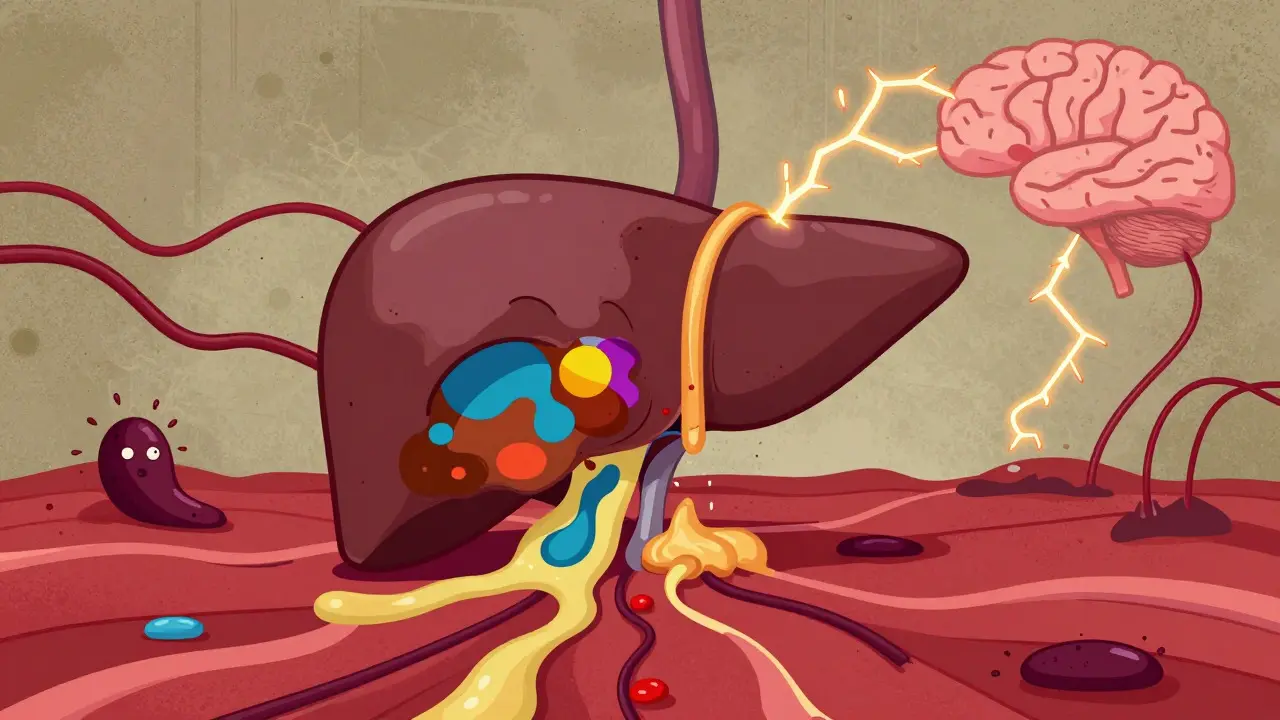
To understand how to treat this itch, we first need to know what causes it. Unlike the itch you get from mosquito bites or poison ivy, cholestatic pruritus is not mediated by histamine. This is why antihistamines like Benadryl often do nothing but make you drowsy. The mechanism is complex and involves several pathways in the body.
When bile flow is blocked or reduced, substances build up in the blood. Scientists used to think bile acids alone were the culprit. While they play a role, research now points to other players. One major factor is lysophosphatidic acid (LPA), which is a signaling molecule that activates nerve endings to cause itching sensations. An enzyme called autotaxin produces LPA, and in patients with cholestatic liver disease, levels of both are significantly elevated. Other factors include endogenous opioids, serotonin, and progesterone derivatives. Because multiple systems are involved, a single "magic bullet" cure has been hard to find, leading to the stepwise treatment approach used today.
The First Line of Defense: Bile Acid Resins
For years, the standard starting point for treating this condition has been cholestyramine, which is a strongly basic anion exchange resin that binds bile acids in the intestine to prevent reabsorption. Brands like Questran work by trapping bile acids in the gut so they leave the body through stool rather than circulating back into the liver and bloodstream.
How to take it:
- Start with 4 grams once or twice daily.
- Titrate up to 16-24 grams daily in divided doses if needed.
- Take it strictly 1 hour before or 4-6 hours after other medications. Cholestyramine binds to drugs too, rendering them ineffective if taken together.
Does it work? Yes, for some. About 50-70% of responsive patients see symptom reduction. However, the experience is often unpleasant. The powder has a gritty texture and poor taste. A 2020 survey found that 78% of patients reported palatability issues, and about 25-35% stop taking it due to gastrointestinal side effects like bloating and constipation. If you try cholestyramine, mixing it with strong-flavored juices or soups can help mask the taste, but many still struggle to stick with it long-term.
Second-Line Therapies: Rifampin and Naltrexone
If cholestyramine fails or isn't tolerated, guidelines recommend moving to second-line options. These medications work differently and target different pathways in the itch cycle.
Rifampin, also known as Rifadin, is a hepatic enzyme inducer originally used as an antibiotic. At doses of 150-300 mg daily, it helps clear substances that contribute to itching. It shows high efficacy, with response rates around 70% in patients with primary biliary cholangitis (PBC). However, it comes with risks. It can cause liver toxicity (elevated transaminases in 15-20% of patients) and interacts with over 50 other medications by speeding up their metabolism. Also, be prepared for orange-colored urine-a harmless but startling side effect.
Naltrexone, commonly known as Revia, is a mu-opioid receptor antagonist that blocks opioid receptors involved in itch signaling. Dosing starts low at 12.5 mg and increases weekly up to 50 mg daily. It works for about 50-60% of patients. The main challenge is initiation. Many patients experience nausea, anxiety, or flu-like symptoms during the first few days, mimicking opioid withdrawal even if they’ve never used opioids. Slow titration is key to managing these initial side effects.
New Options: Targeted Therapies Changing the Game
The landscape of cholestatic pruritus treatment is shifting rapidly. New drugs are moving away from broad mechanisms to target specific biological pathways, particularly the autotaxin-LPA axis and intestinal bile acid transporters.
Maralixibat, sold under the brand name Mytesi, is an ileal bile acid transporter (IBAT) inhibitor approved by the FDA in September 2021. Originally approved for Alagille syndrome, it reduces bile acid accumulation by blocking reabsorption in the intestine. In clinical trials, it achieved a 47% reduction in itch severity on visual analog scales, outperforming cholestyramine in tolerability. Patients report much better adherence because it is a once-daily pill with no taste issues. However, cost is a barrier, with monthly prices around $12,500 compared to $65 for generic cholestyramine.
Another emerging option is volixibat, which is another IBAT inhibitor currently in phase 3 trials. Early data shows a 52% itch reduction at six months with a lower discontinuation rate than older therapies. Additionally, researchers are investigating antisense oligonucleotides like IONIS-AT332-LRx, which directly reduce autotaxin production. Phase 2 trials showed a 58% improvement in pruritus, marking a significant leap forward in targeted therapy.
Comparing Treatment Options
| Treatment | Mechanism | Efficacy | Key Side Effects | Discontinuation Rate |
|---|---|---|---|---|
| Cholestyramine | Binds bile acids in gut | 50-70% | Gastrointestinal distress, bad taste | 25-35% |
| Rifampin | Enzyme induction | 60-80% | Hepatotoxicity, drug interactions | 10-15% |
| Naltrexone | Opioid receptor blockade | 50-60% | Nausea, anxiety, withdrawal-like symptoms | ~20% |
| Maralixibat | IBAT inhibition | 47% itch reduction | Fatty stools, diarrhea | 12% |
Practical Steps for Managing Symptoms
While medication addresses the internal cause, lifestyle adjustments can provide immediate, albeit partial, relief. Think of these as supportive measures, not cures.
- Skin Care: Use fragrance-free emollients daily. Dry skin worsens itching. Apply moisturizer immediately after bathing while skin is still damp.
- Cool Down: Heat exacerbates pruritus. Take cool showers instead of hot baths. Keep your bedroom temperature low at night.
- Clothing Choices: Wear loose-fitting, breathable cotton clothing. Avoid wool or synthetic fabrics that irritate the skin.
- Distract and Soothe: Mental focus can intensify the itch sensation. Engage in activities that keep your hands busy and mind occupied.
Remember, antihistamines are generally not recommended as first-line therapy because they don’t address the non-histaminergic mechanism. Save them for occasional nighttime use only if your doctor agrees they might help with sleep disruption.
When Medications Fail: Advanced Interventions
If stepwise medical therapy doesn’t control the itch, there are more invasive options. For patients with extrahepatic biliary obstruction, stent placement can provide immediate relief in up to 85% of cases by restoring bile flow. This is often underutilized but should be considered early if obstruction is present.
For refractory cases where all medications fail, liver transplantation is the definitive treatment for severe cholestatic pruritus. Post-transplant, approximately 95% of patients experience complete resolution of itching. While transplant is a major surgery reserved for advanced liver disease, it remains the most effective solution for debilitating, treatment-resistant pruritus.
Why don't antihistamines work for cholestatic pruritus?
Antihistamines block histamine, a chemical released during allergic reactions. Cholestatic pruritus is not driven by histamine but by bile acids, opioids, and lysophosphatidic acid. Therefore, antihistamines rarely reduce the itch itself, though they may help with sleep due to sedative effects.
How long does it take for rifampin to work?
Most patients notice a reduction in itching within 2 to 4 weeks of starting rifampin. It is important to monitor liver enzymes regularly during treatment to check for potential hepatotoxicity.
Is maralixibat covered by insurance?
Coverage varies by insurer and region. Since maralixibat was initially approved for Alagille syndrome, coverage for off-label use in other cholestatic conditions may require prior authorization or appeal processes. Check with your healthcare provider and pharmacy benefits manager.
Can diet changes help with cholestatic itching?
Dietary changes alone rarely resolve cholestatic pruritus, but reducing fat intake may help manage bile-related digestive symptoms. Some patients find relief by avoiding spicy foods or alcohol, which can aggravate liver stress. Always discuss dietary changes with a hepatologist or dietitian.
What is the role of sertraline in treating this condition?
Sertraline, an SSRI antidepressant, is used off-label for cholestatic pruritus, particularly in patients with primary biliary cholangitis. It shows 40-50% efficacy and is especially beneficial if the patient also suffers from depression or anxiety related to chronic itching.
They want you to believe it is just bile acids. It is not. The pharmaceutical companies are suppressing the natural cure because they cannot patent sunlight and clean water. I have seen the documents. They are poisoning us with these resins to keep us dependent on their expensive pills. Wake up people.
While the article presents a comprehensive overview of current pharmacological interventions, one must consider the possibility that the entire framework of cholestatic pruritus treatment is fundamentally flawed! The reliance on synthetic inhibitors seems precarious at best!!
I just found this interesting. My cousin has PBC and she hates the taste of cholestyramine. Glad to see there are new options like Maralixibat even if they are pricey.
sure yeah another pill for every ill lol but hey at least its not free so we know its working right
i think the cool showers tip is really helpful i tried it last night and it did help me sleep better than usual typos dont matter when u r suffering from itch
This is a very well-researched summary. As someone who works in hepatology support, I can confirm that the shift towards IBAT inhibitors like maralixibat is indeed changing patient outcomes significantly. The cost barrier remains a major issue, but the efficacy data is compelling. Thank you for highlighting the mechanism involving lysophosphatidic acid; many patients do not understand why antihistamines fail them.
You guys need to stop complaining about the side effects and just take the meds! Life is too short to be miserable. Get out there and live! If you are itching, fix it! Don't let the doctors down!
The journey of healing is not just physical but spiritual. When the body itches, the soul seeks balance. Embrace the change. New medicines are blessings from the universe. Stay positive and trust the process. :) :) :)
Oh wow, another miracle drug? 🙄 I bet the FDA approved this after a handshake deal in a dark alley. Typical corporate greed. You think $12,500 a month is cheap? Try paying for your own liver transplant! 😡💸
It is important to note that while lifestyle changes such as wearing cotton clothing are beneficial, they should be viewed as adjunctive therapies rather than standalone cures. The scientific literature supports a multimodal approach to managing cholestatic pruritus effectively.
In considering the broader implications of these therapeutic advancements, it becomes evident that the medical community is gradually moving away from broad-spectrum treatments toward more targeted molecular interventions. This transition, while promising, necessitates a careful evaluation of long-term safety profiles and economic accessibility, ensuring that all patients, regardless of socioeconomic status, have equitable access to these novel agents which may ultimately redefine the standard of care for chronic hepatic conditions.
The paradigm shift in etiological understanding suggests that the autotaxin-LPA axis is merely a proxy for deeper systemic dysregulation. We are treating symptoms, not the root cause. The establishment wants you focused on LPA while ignoring the environmental toxins causing the initial cholestasis. Big Pharma wins again.