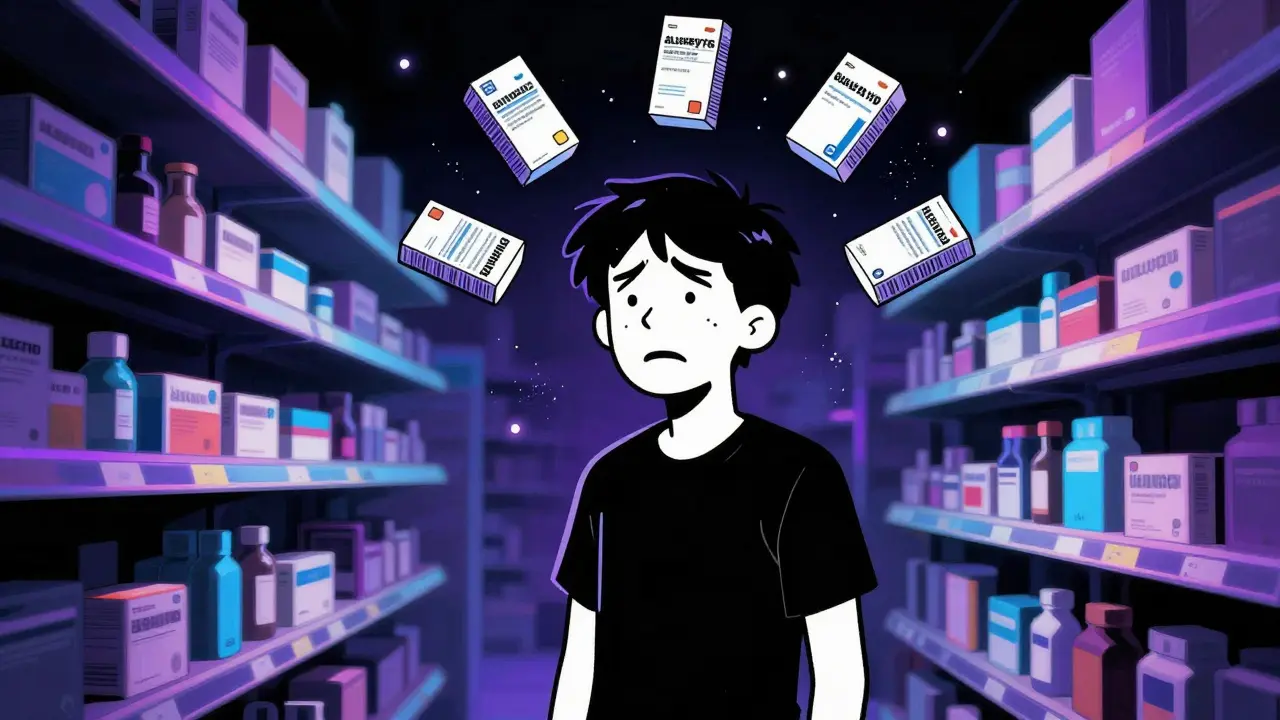
Stop the Sneezing: Finding Your Best OTC Option
If you are reading this while scratching your eyes or wiping a runny nose, you know the frustration of seasonal allergies. Every year, roughly 81 million people in the United States deal with these symptoms, creating a massive demand for solutions you can find right in your local pharmacy. However, walking down the aisle often leads to confusion. You see Benadryl, Zyrtec, Claritin, and Allegra, along with dozens of generics. Which one stops the itch without making you crash on the job?
The answer depends on your specific symptoms and daily routine. Not all antihistamines are created equal. Some are built for speed, others for duration, and some carry a heavy sedative risk that could ruin your workday. Understanding the difference between first-generation and second-generation options changes everything about how you manage your health.
How Histamine Hijacks Your Body
To pick the right pill, you need to understand the enemy. When your immune system spots a harmless trigger like pollen or dust, it releases a chemical called histamine is a natural substance in your body that causes blood vessels to expand and nerves to itch. This reaction protects you from pathogens, but for allergy sufferers, it manifests as red eyes, sneezing, and congestion. Antihistamines work by blocking the H1 receptors that histamine binds to, effectively cutting off the signal telling your body to react.
This chemical interaction explains why symptom relief varies. If the blockage is strong and fast, your symptoms stop quickly. If the medication lingers too long in your bloodstream, you might feel groggy later. The goal is to block the receptor without crossing into areas of the brain that regulate alertness and coordination.
First-Generation vs. Second-Generation Medications
The most critical distinction in over-the-counter allergy medications are categorized by generation, which dictates their safety profile. Older medications were effective but had significant drawbacks regarding mental alertness. Newer formulations solve many of these issues but come with their own nuances in pricing and onset time.
| Feature | First-Generation (Old) | Second-Generation (New) |
|---|---|---|
| Sedation Risk | High (~50%) | Low (2%-15%) |
| Duration | 4-6 hours | 24 hours |
| Onset Time | 15-30 minutes | 1-3 hours |
| Dosing Frequency | Every 4-6 hours | Once daily |
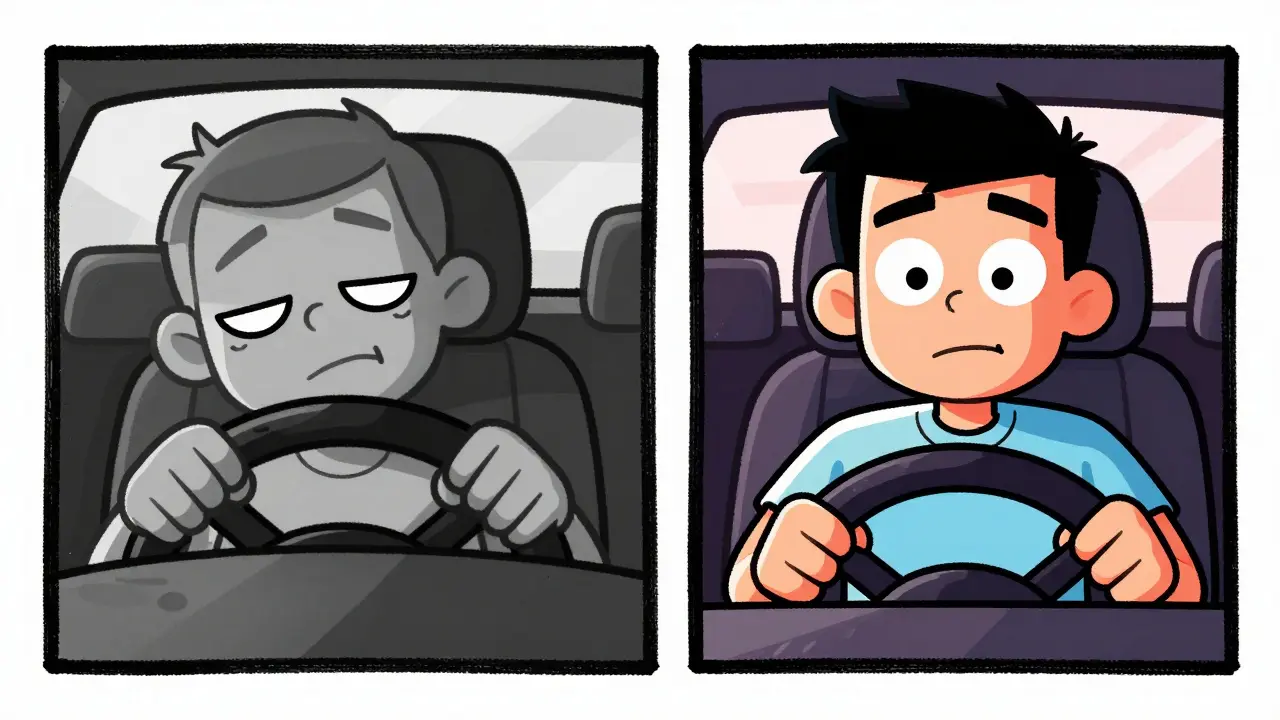
First-generation drugs are great if you need immediate relief, but they cross the blood-brain barrier easily. That is why taking them feels like driving through fog. Second-generation options stay mostly out of the central nervous system. They generally last a full day, meaning you only have to remember to take one pill instead of three or four throughout your shift.

Breaking Down the Top Brand Names
While generic versions exist for most formulas, knowing the brand helps identify the active ingredient instantly. Here is how the most popular choices stack up against clinical performance and user experience.
Zyrtec (Cetirizine)
Many users prefer this option because it kicks in fast. Cetirizine is a second-generation antihistamine known for rapid onset within one hour and potent H1 receptor binding. It is often cited as having slightly greater efficacy for moderate-severe allergic rhinitis compared to older peers. A 2018 meta-analysis noted it provided 23% greater symptom relief than loratadine in some cases. However, there is a trade-off. About 10% to 15% of users still report mild drowsiness. For those prone to sleepiness, standard doses exceeding 10mg daily increase this risk significantly without improving effectiveness.
Claritin (Loratadine)
If staying awake is your top priority, this is a strong contender. Loratadine is a less potent antihistamine that carries minimal sedation risk and fewer drug interactions. Studies show it causes drowsiness in only 5% to 10% of people. It is particularly safe for patients who take multiple other medications, especially macrolide antibiotics. The downside is that it may feel "weaker" for severe cases. Dr. Sarah Taylor-Black has noted in medical literature that it sits just above placebo in effectiveness compared to stronger alternatives, making it better for light symptom control rather than full-blown hay fever episodes.
Allegra (Fexofenadine)
This option is frequently recommended by specialists for daytime use because it rarely crosses the blood-brain barrier. Fexofenadine is derived from terfenadine and designed specifically to remain outside the central nervous system, resulting in zero sedation. Reviews indicate it offers the best efficacy-to-sedation ratio. However, absorption is tricky. Taking fexofenadine with grapefruit juice reduces its bioavailability by 33%, and food can alter how well it enters your system. You must plan your intake carefully to get the full benefit.
Benadryl (Diphenhydramine)
You probably know this name as the classic remedy for hives or bug bites. Diphenhydramine is a first-generation antihistamine developed in the 1940s that acts quickly but causes significant drowsiness in approximately half of users. Because it wears off quickly, it requires frequent dosing. While not ideal for driving or operating machinery, it is superior for acute reactions where you need relief now or for nighttime help when itching disrupts your sleep. Most experts advise saving this for emergency situations rather than daily maintenance.
Mastering Dosage and Timing
Taking the wrong dose wastes money and risks side effects. For most second-generation pills, the standard adult dose is 10mg once daily. Do not try to "double up" if you aren't feeling better after the first hour. These medications reach peak levels in the blood slowly, usually peaking after 3 hours. Consistent use matters more than frequency. It takes 7 to 10 days of regular use to fully stabilize your symptoms, so do not judge effectiveness based on the first hour alone.
Nasal sprays are another tool in the arsenal. Products containing corticosteroids often work faster for congestion than pills alone. If you need to combine medications, look for the "D" versions found behind the pharmacy counter. These contain pseudoephedrine, a decongestant that shrinks swollen tissue in the nose. However, this combination comes with strict rules due to regulations preventing methamphetamine production. You must show ID to buy them, and they are risky if you have high blood pressure. Even healthy individuals can see systolic pressure rise by 3 to 5mmHg, which adds strain to the heart.
Choosing the Right Fit for Your Lifestyle
Selecting a pill isn't just about chemistry; it is about your life. If you drive a commercial vehicle or operate heavy machinery, avoid anything with high sedation potential. Stick to fexofenadine or loratadine. If you suffer from severe insomnia caused by allergy itching, a small dose of diphenhydramine before bed might be the bridge you need to sleep. For office workers who cannot afford a mid-afternoon nap, cetirizine offers a balance of speed and mild sedation that might be tolerable if taken early in the morning.
Always consult the package labeling. In 2022, the FDA standardized instructions across brands to make this easier, but individual variances still exist. Keep track of your response. If one brand does nothing for three weeks, switch to a different class rather than doubling the dose. Your body responds differently to every molecule, and trial and error is the only way to confirm compatibility.
Frequently Asked Questions
How long does it take for allergy meds to work?
Most second-generation options like Zyrtec work within one hour, while Claritin and Allegra may take two to three hours. Benadryl is the fastest, starting to work in 15 to 30 minutes, but its effects wear off sooner.
Is it safe to take allergy medicine every day?
Yes, daily non-drowsy antihistamines are generally safe for long-term use. However, exceeding the recommended dose can lead to side effects like dry mouth, urinary retention, or increased drowsiness without providing extra relief.
Daily use of approved OTC medications is considered safe for most adults. Always stick to the maximum daily limit, typically 10mg for cetirizine or loratadine, to avoid toxicity.
Can I drink alcohol while taking antihistamines?
Mixing alcohol with allergy meds increases drowsiness significantly, especially with first-generation drugs like Benadryl. Even second-generation options can cause dizziness when combined with alcohol.
Why does my allergy medicine stop working?
Sometimes symptoms worsen naturally, or your specific allergens become too intense for the chosen medication. Switching to a different active ingredient or adding a nasal steroid spray can help reset effectiveness.
Do fruit juices affect antihistamine absorption?
Yes, grapefruit juice specifically interferes with fexofenadine (Allegra), reducing its effectiveness by over 30%. Orange and apple juices generally do not interfere with most modern formulations.
It is fascinating to observe how modern medicine frames biological signals as purely negative entities requiring suppression. Histamine serves a vital protective function for our immune systems throughout evolutionary history. By blocking these signals we are essentially silencing our internal alarm bells permanently. Society prioritizes immediate comfort over physiological integrity in many cases. People rarely consider the long term implications of chronic receptor blockade. Every dose introduces a foreign compound that interacts with complex metabolic pathways. We trade mental clarity for the ability to function without itching symptoms. This transaction often seems necessary during high pollen seasons. Yet the mechanism of action suggests a significant shift in homeostatic balance. Pharmaceutical marketing emphasizes relief while obscuring potential downsides of daily consumption. We must remain vigilant about how dependency forms around these solutions. The choice between sedation and alertness dictates lifestyle adjustments significantly. Understanding the chemistry allows for better personal decisions regarding intake timing. Most individuals simply follow branding rather than scientific data presented clearly. We need to reflect deeply on why we cannot tolerate minor environmental fluctuations.
The hidden agenda behind generic formulation shifts is becoming increasingly transparent to those who look closer. Corporate structures profit heavily when patients switch between brand names indiscriminately. Chemical additives in the manufacturing process often remain undocumented on standard labels. One wonders if the recommended dosages align perfectly with safety margins designed for volume sales. Pollen counts seem synchronized oddly with product release cycles during certain months. The correlation between media campaigns and allergy spike reporting is too consistent to ignore completely. Citizens should remain skeptical when told that a pill solves a systemic environmental issue. True healing comes from avoiding triggers rather than masking symptoms aggressively.
Here we go again another day with the pill popping ritual.
You raise points that require immediate attention regarding safety protocols! The regulatory framework exists specifically to prevent unauthorized chemical exposure! However, anecdotal suspicion does not replace controlled clinical evidence gathering! Transparency is essential for maintaining public trust in medical recommendations! Always verify information through established medical channels before altering treatment plans!
We must find harmony between managing symptoms and respecting bodily functions naturally.
😂😂😂 exactly everyone is just too weak for real pollen 🤮💤 why suffer when we can just sleep 💤
People complain too much about seasonal changes. Just take the pill and move on with your daily work routine. Stop blaming the environment for your own weak constitution.
Oh great advice from someone who probably never leaves their house during peak season. You sound like a machine that does not understand human biology limitations at all.
Pharmacokinetics play a significant role in determining peak plasma concentration relative to dosing intervals. Bioavailability reduction via cytochrome P450 interactions is a critical factor in efficacy monitoring. Grapefruit juice interference represents a clinically significant variable affecting therapeutic outcomes.
Most people lack the understanding required for proper pharmaceutical management