Statin & Grapefruit Interaction Checker
Interaction Analysis
Select a medication from the list to view safety details.
Why does this happen?
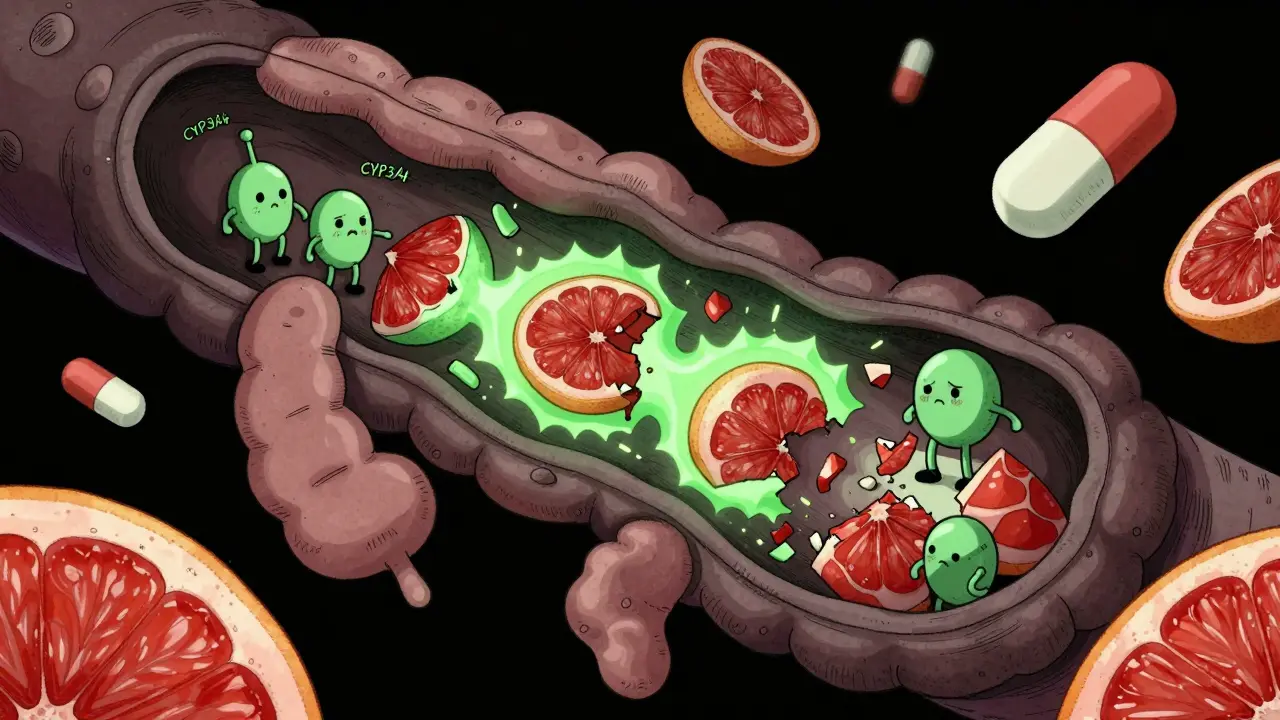
Grapefruit contains furanocoumarins that inhibit the CYP3A4 enzyme. This enzyme acts like a gatekeeper in your intestines, breaking down drugs before they enter your bloodstream. When blocked, significantly more medication enters your system (sometimes up to 16 times the intended dose), increasing the risk of severe side effects like muscle damage (rhabdomyolysis).
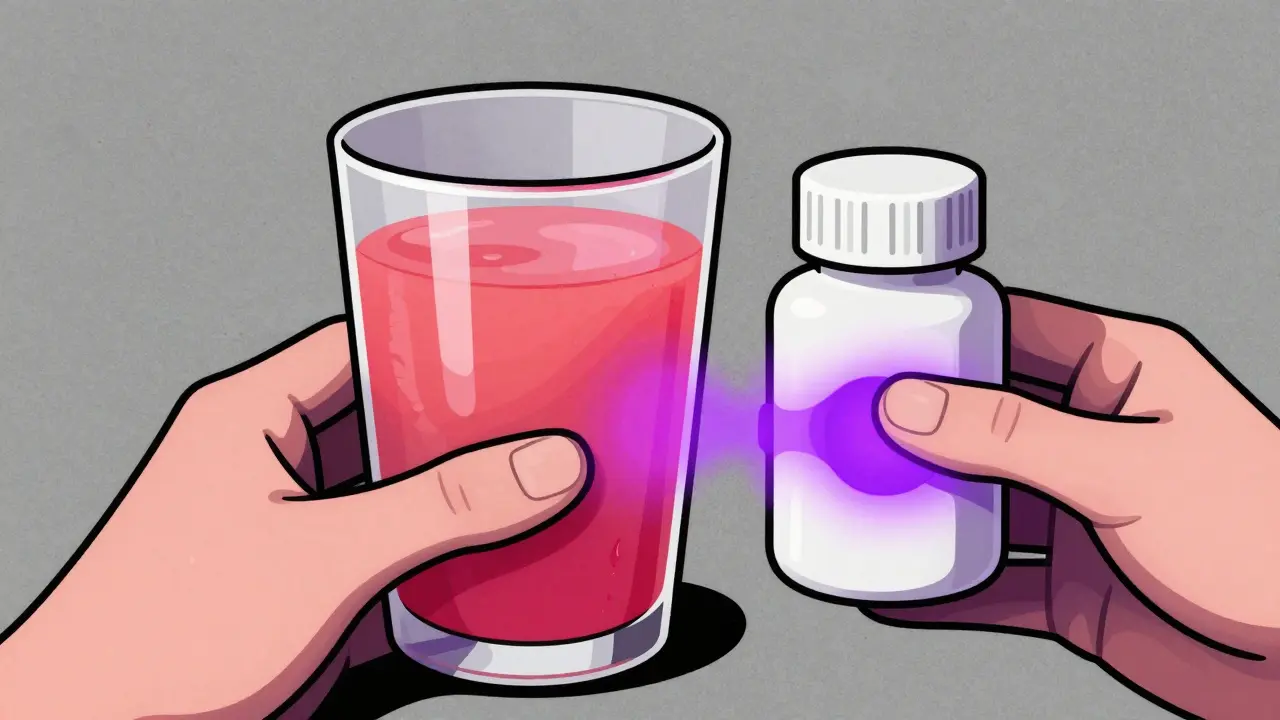
You reach for a glass of fresh grapefruit juice with your morning medication, thinking you're making a healthy choice. But if you take certain cholesterol-lowering drugs known as statins, which are medications used to lower cholesterol levels in the blood to reduce the risk of heart disease and stroke, that breakfast habit could be quietly turning your dose into an overdose. This isn't just a minor side effect warning; it is a clinically significant interaction that can lead to severe muscle damage and even kidney failure. The relationship between grapefruit and a citrus fruit containing compounds called furanocoumarins that inhibit drug metabolism enzymes and specific statins is one of the most well-documented and dangerous food-drug interactions in modern medicine.
The core issue lies in how your body processes these medications. When you swallow a statin pill, your digestive system doesn't absorb 100% of it immediately. Instead, enzymes in your small intestine break down a large portion of the drug before it ever reaches your bloodstream-a process called first-pass metabolism. Grapefruit contains natural chemicals that shut down these enzymes, causing much more of the drug to enter your system than intended. This article breaks down exactly which statins are affected, why this happens at a biological level, and what you should do to stay safe without giving up your favorite fruits entirely.
How Grapefruit Blocks Drug Metabolism
To understand why this interaction is so potent, we have to look at the microscopic machinery inside your gut. The primary culprit is a family of compounds found in grapefruit called furanocoumarins, which are natural chemical substances in grapefruit that irreversibly bind to and inhibit cytochrome P450 3A4 enzymes. These compounds don't just temporarily slow down the enzyme responsible for breaking down many drugs; they permanently disable it.
The enzyme in question is CYP3A4, which is a major enzyme in the liver and intestines responsible for metabolizing approximately 50% of all prescription drugs. In a landmark study published in *Clinical Pharmacology & Therapeutics* in 1998, researchers demonstrated that consuming grapefruit juice increased the peak serum concentration of simvastatin by roughly nine times. The area under the curve (AUC), which measures total drug exposure over time, jumped by 16-fold. This means that instead of getting your prescribed dose, your body was processing a dose nearly ten times stronger.
Here is the tricky part: this inhibition is irreversible. Once the furanocoumarins bind to the CYP3A4 enzyme in your intestinal cells, that enzyme is dead weight. Your body has to wait for new cells to regenerate to restore normal metabolic function. This regeneration process takes about 72 hours. So, drinking grapefruit juice on Monday affects how your body processes medication taken on Wednesday. Simply spacing out your juice and your pill by a few hours does not work because the enzyme remains blocked for days.
Which Statins Are High Risk?
Not all statins are created equal when it comes to this interaction. The danger depends entirely on how your body metabolizes the specific drug you are taking. Statins that rely heavily on the CYP3A4 enzyme pathway are the ones that become toxic when combined with grapefruit. Based on data from the U.S. Food and Drug Administration (FDA) and clinical reviews, here is how the common statins stack up:
| Statin Name (Brand) | Metabolism Pathway | Interaction Risk | Clinical Recommendation |
|---|---|---|---|
| Simvastatin (Zocor) | CYP3A4 | High / Contraindicated | Avoid grapefruit completely |
| Lovastatin (Mevacor) | CYP3A4 | High / Contraindicated | Avoid grapefruit completely |
| Atorvastatin (Lipitor) | CYP3A4 | Moderate | Limit consumption; monitor closely |
| Rosuvastatin (Crestor) | Minimal CYP3A4 | Low / None | Safe to consume |
| Pravastatin (Pravachol) | Non-CYP3A4 | Low / None | Safe to consume |
| Fluvastatin (Lescol) | CYP2C9/CYP3A4 | Low | Generally safe |
| Pitavastatin (Livalo) | Minimal CYP3A4 | Low / None | Safe to consume |
If you are taking Simvastatin or Lovastatin, the FDA explicitly advises against consuming grapefruit. For Atorvastatin, the risk is present but slightly less severe; however, regular consumption can still push drug levels into a dangerous range. On the other hand, Rosuvastatin, Pravastatin, Fluvastatin, and Pitavastatin bypass the CYP3A4 enzyme mostly or entirely, meaning they are safe companions for your morning orange juice or grapefruit bowl.
The Danger of Rhabdomyolysis
Why does having too much statin in your blood matter? Statins work by blocking an enzyme in your liver that produces cholesterol. However, they also affect muscles. When drug levels spike due to grapefruit inhibition, the risk of muscle toxicity skyrockets. The most feared complication is rhabdomyolysis, which is a serious condition where damaged muscle tissue releases proteins into the bloodstream that can cause acute kidney failure.
Rhabdomyolysis occurs when muscle fibers break down rapidly. This releases a protein called myoglobin into your blood. Myoglobin is toxic to your kidneys and can clog the filters, leading to sudden renal failure. While rare-occurring in less than 1 in 10,000 statin users annually-the risk increases dramatically when combined with grapefruit. A documented case involved a 40-year-old woman who developed rhabdomyolysis after eating grapefruit daily for just 10 days while on Simvastatin.
You need to watch for these warning signs:
- Unexplained muscle pain or tenderness, especially in the shoulders, hips, thighs, or back
- Muscle weakness that makes daily tasks difficult
- Dark, tea-colored urine, which indicates the presence of myoglobin
Is It Just Grapefruit?
Many patients ask if they can switch to another citrus fruit to avoid this issue. The answer is nuanced. The furanocoumarins responsible for blocking CYP3A4 are not unique to grapefruit, but their concentration varies wildly across different fruits.
- Grapefruit: High concentration of furanocoumarins. Avoid if on high-risk statins.
- Pomelos: Also contain significant levels of furanocoumarins. Treat with the same caution as grapefruit.
- Seville Oranges: These bitter oranges, often used in traditional marmalades, contain similar inhibitory compounds. Check your jam labels.
- Regular Oranges, Lemons, and Limes: These fruits contain negligible amounts of furanocoumarins. They are generally safe to consume with any statin.

What Should You Do Now?
If you are currently taking a statin and eat grapefruit regularly, do not panic, but do take action. Stopping your medication abruptly is dangerous and increases your risk of heart attack and stroke. Instead, follow these steps:
- Check your medication label: Look for warnings about grapefruit or CYP3A4 inhibitors. If you are unsure, call your pharmacist. Pharmacists are experts in drug interactions and can tell you instantly if your specific brand and dosage pose a risk.
- Talk to your doctor: If you are on Simvastatin or Lovastatin and refuse to give up grapefruit, ask your doctor about switching to a non-interacting statin like Rosuvastatin or Pravastatin. Many patients find that switching resolves the issue entirely while maintaining cholesterol control.
- Monitor for symptoms: If you cannot switch medications and occasionally slip up with a grapefruit, be hyper-aware of muscle pain or dark urine. Report these to your healthcare provider immediately.
Frequently Asked Questions
How much grapefruit causes a dangerous interaction with statins?
Even small amounts can be problematic for high-risk statins like Simvastatin. Studies show that consuming as little as 200 mL (about 7 ounces) of double-strength grapefruit juice three times daily significantly increases drug levels. Because the enzyme inhibition lasts up to 72 hours, even intermittent consumption can maintain elevated statin concentrations in your blood. There is no safe threshold established for those on contraindicated medications.
Can I take my statin at night and eat grapefruit in the morning to avoid the interaction?
No, timing does not help. The furanocoumarins in grapefruit cause irreversible inhibition of the CYP3A4 enzyme in your intestines. The enzyme remains disabled for about 72 hours until your body generates new cells. Separating the ingestion of the fruit and the pill by hours will not prevent the interaction because the metabolic pathway is already blocked.
Are there any supplements that interact with statins like grapefruit does?
Yes, red yeast rice is a common supplement that contains monacolin K, which is chemically identical to lovastatin. Taking red yeast rice alongside prescription statins can effectively double your dose, increasing the risk of side effects. Additionally, some herbal supplements like St. John's Wort can induce CYP3A4 activity, potentially lowering statin effectiveness, though this is the opposite mechanism of grapefruit.
Does grapefruit juice interact with all types of heart medications?
Grapefruit interacts with a wide range of medications beyond statins, including certain calcium channel blockers (like felodipine), immunosuppressants (like cyclosporine), and some anti-anxiety drugs (like buspirone). However, it does not typically interact with beta-blockers, ACE inhibitors, or aspirin. Always check with a pharmacist for your specific medication list.
Is there a type of grapefruit that is safe to eat with statins?
Currently, all varieties of commercial grapefruit contain furanocoumarins, including pink, red, and white grapefruit. Researchers at the University of Florida are breeding furanocoumarin-free varieties, but these are not yet widely available in stores. Until then, assume all grapefruit poses a risk if you are on a high-risk statin.